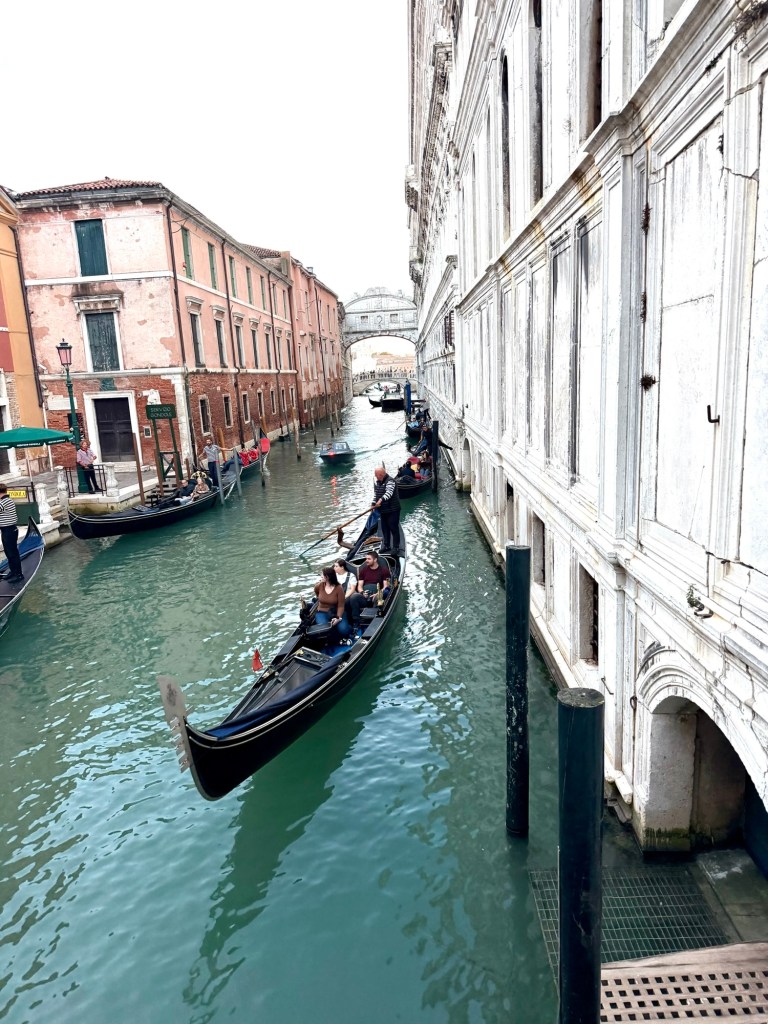
My favorite city in the world. I can’t remember how many times I have been to Venice but I doubt that I will ever tire of it.
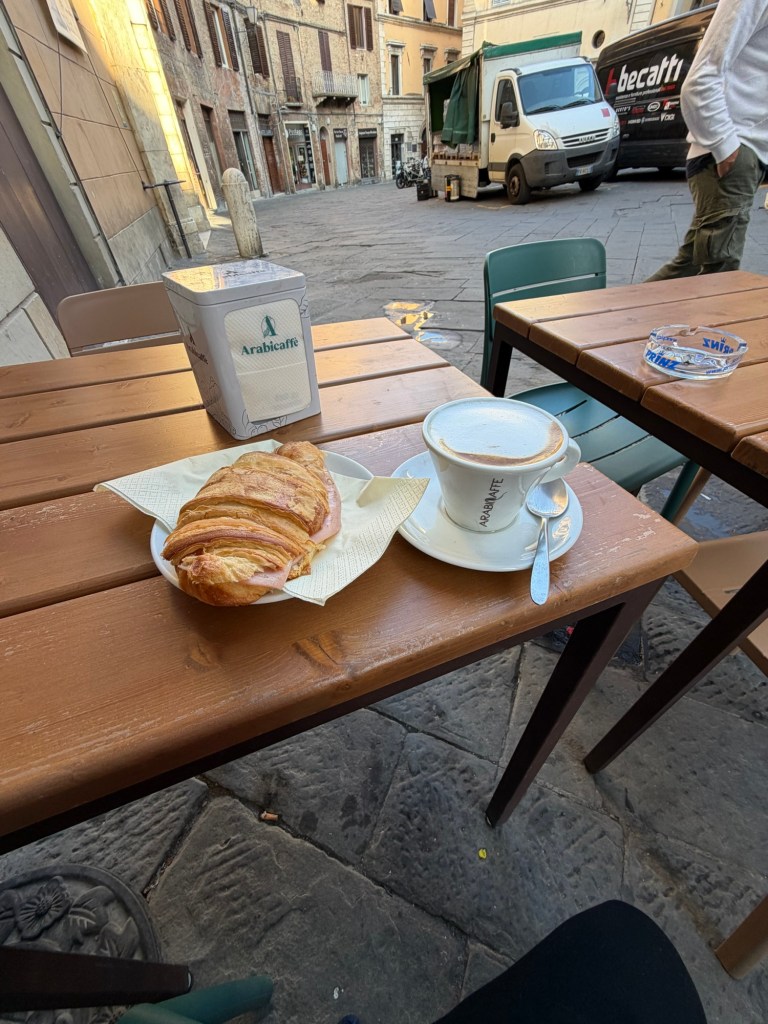
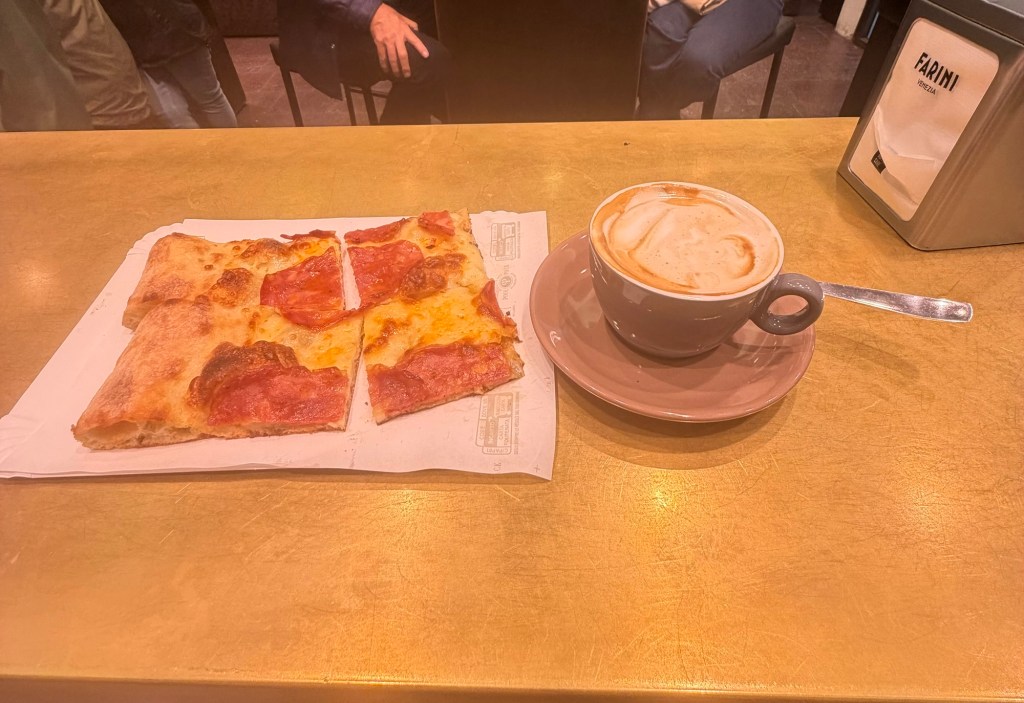
In the morning I had plenty of time to pack and go out for a cappuccino and bite to eat. You never know what might be available later. At home I can go all day with eating but here since I am eating way more carbs, I am just all the time.
Taxi/ uber took forever. I think the trick is to wait five minutes then cancel. And when I woke up in the morning to see how far the station was, it was less than two miles, mostly down hill but I had my bags.
I purchased my ticket at the station. A little confusing because you pick the ticket Siena to Venice but it doesn’t really tell you that you’ll be changing in Florence until you get the ticket.
Some of the trains are regional and some more direct. Siena to Florence is regional but Florence to Venice is not. About half way through the first train there was a loud thump. A woman I had been speaking to fell to the ground and hit her head. She was bleeding. Of course no conductor around. The train stopped and waited. And instead of of getting her off the train, we all got off the train. We were told to go to a different platform. There was no way now that I was going to make my connection so I had to purchase another ticket.
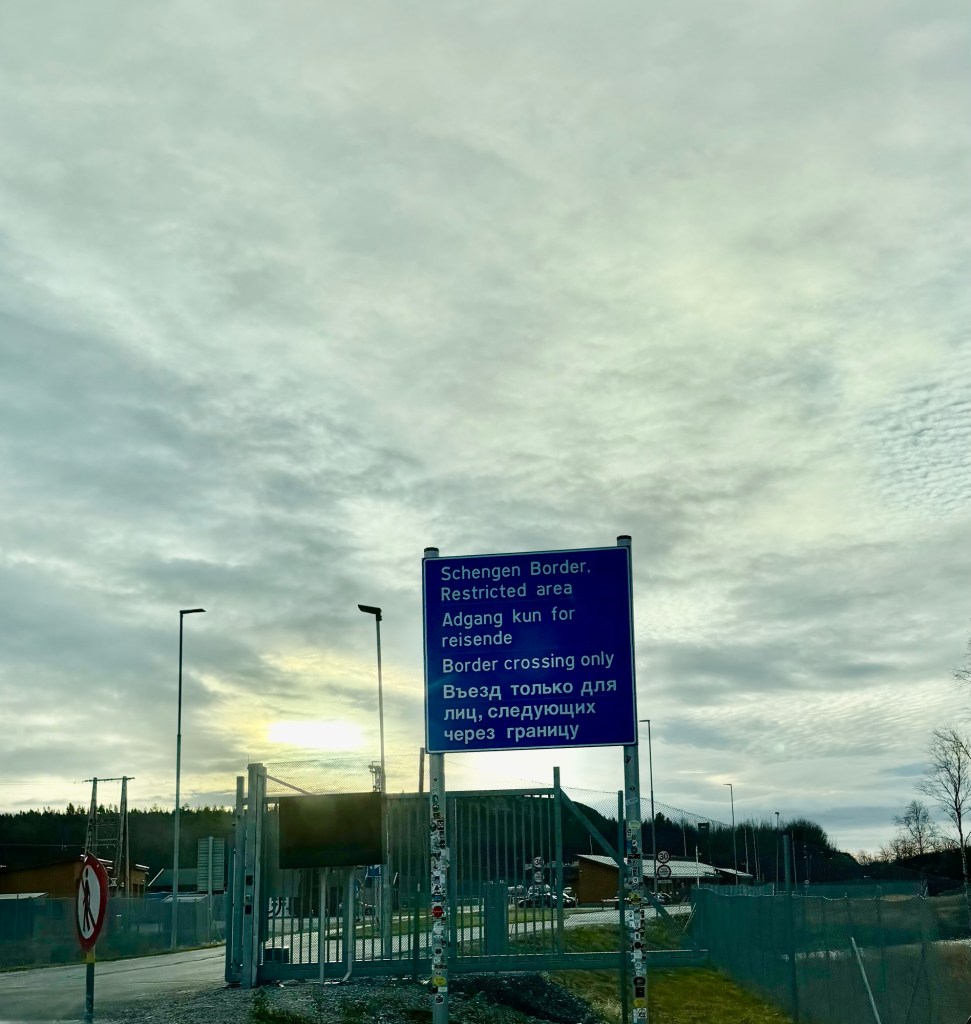
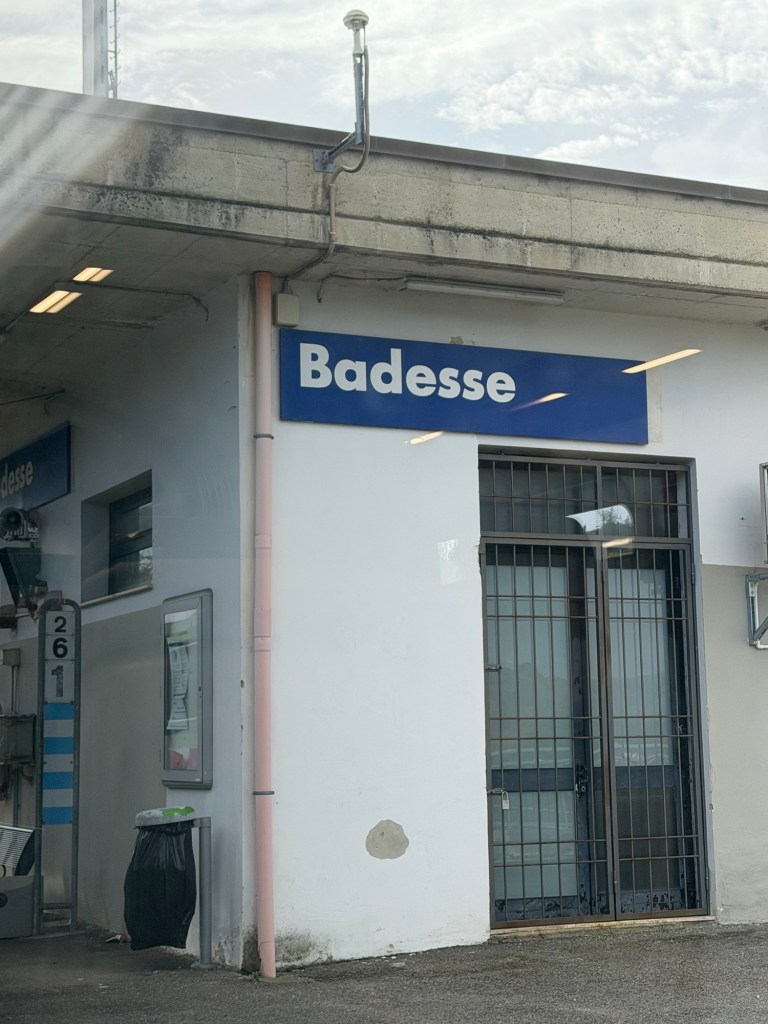
This sign made me laugh and reminded me that delays are part of travel. Relax! I texted my Airbnb. Thank goodness for internet. Remember travelers checks? Airmail? Internet cafes? They were filthy. Fun memory in Singapore at an Internet Cafes trying to score my son’s Wisconsin Badgers Football season tickets!
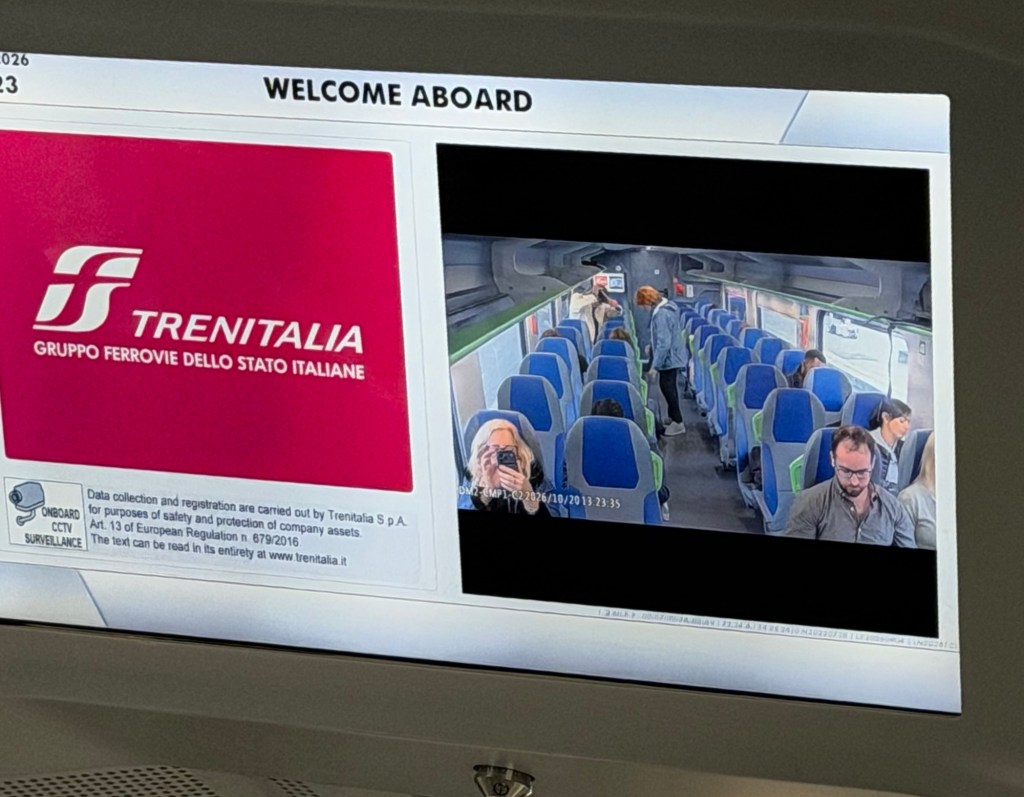
So onto Florence. Had to wait for 25 minutes for the platform announcement. Everyone huddles together and waits for their platform and then disperses. It was another 2 hour train ride. Unfortunately my seat mate, since this train you had an assigned seat, was rather large. It’s funny to watch people on the trains.
Finally arrived in Venice. The internet seems to work for maps on this whole trip which is wonderful compared to past trips. (Except in the deep corridors of Venice, where you had to reset your map when you got into an open space.)
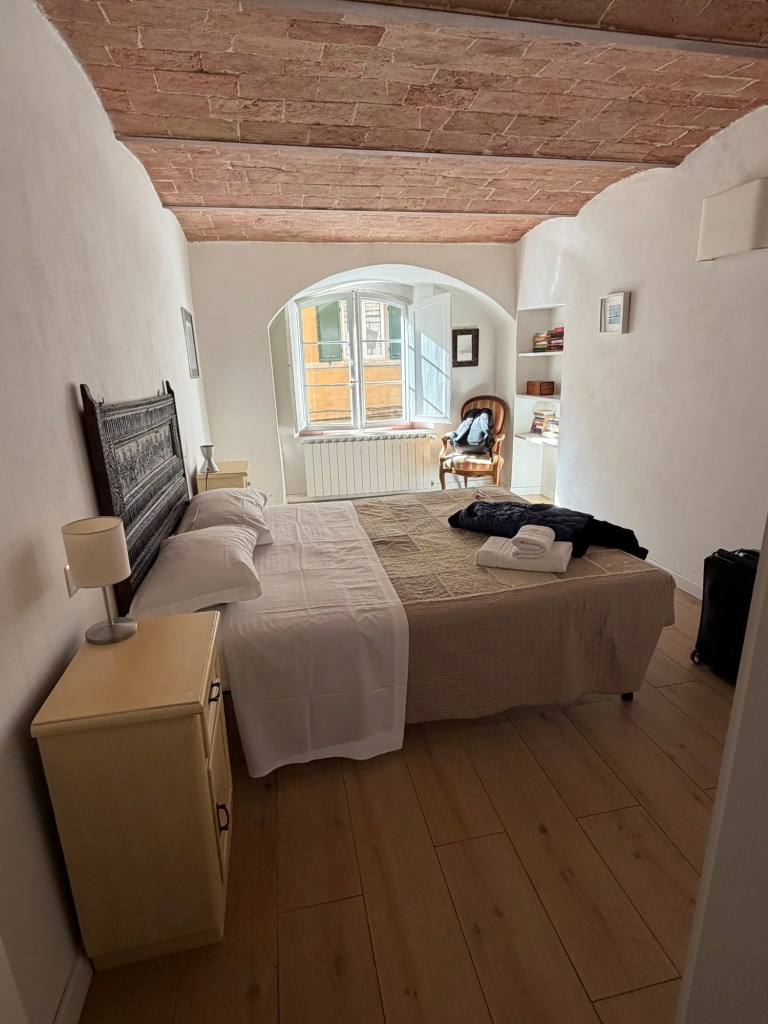
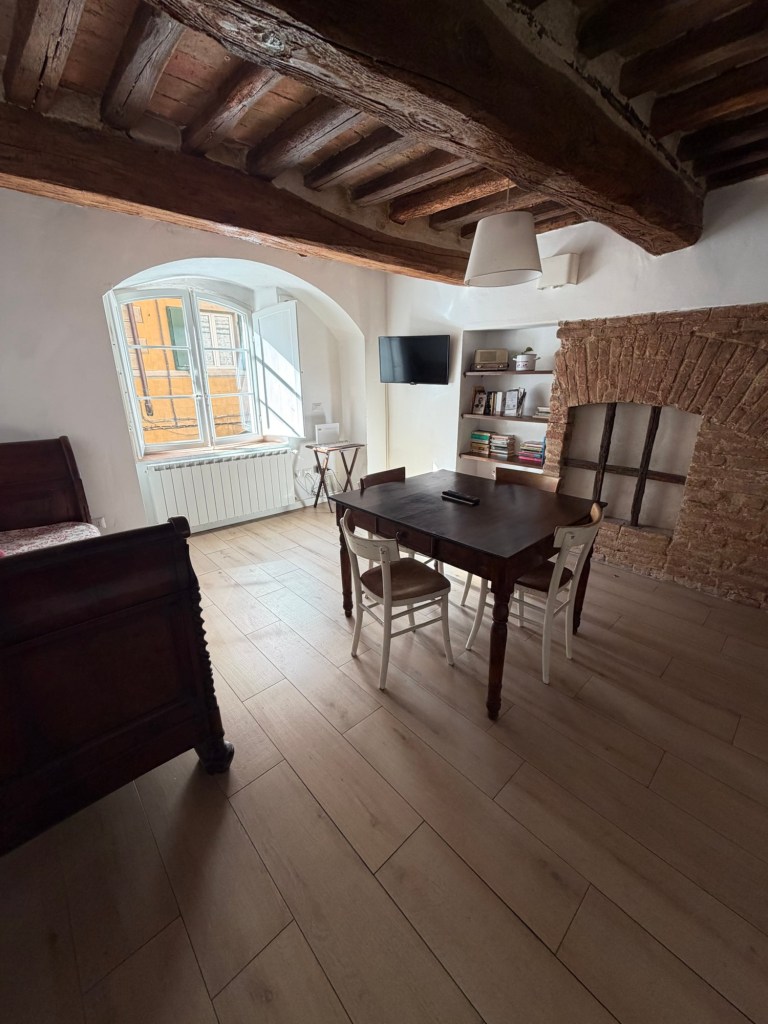
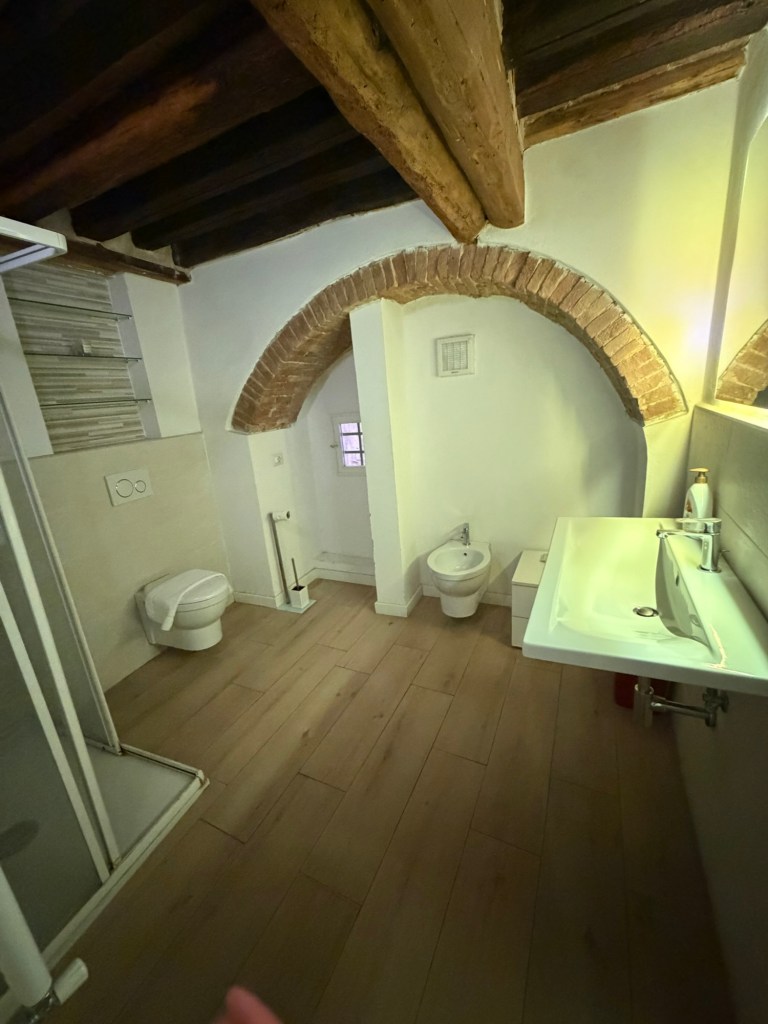
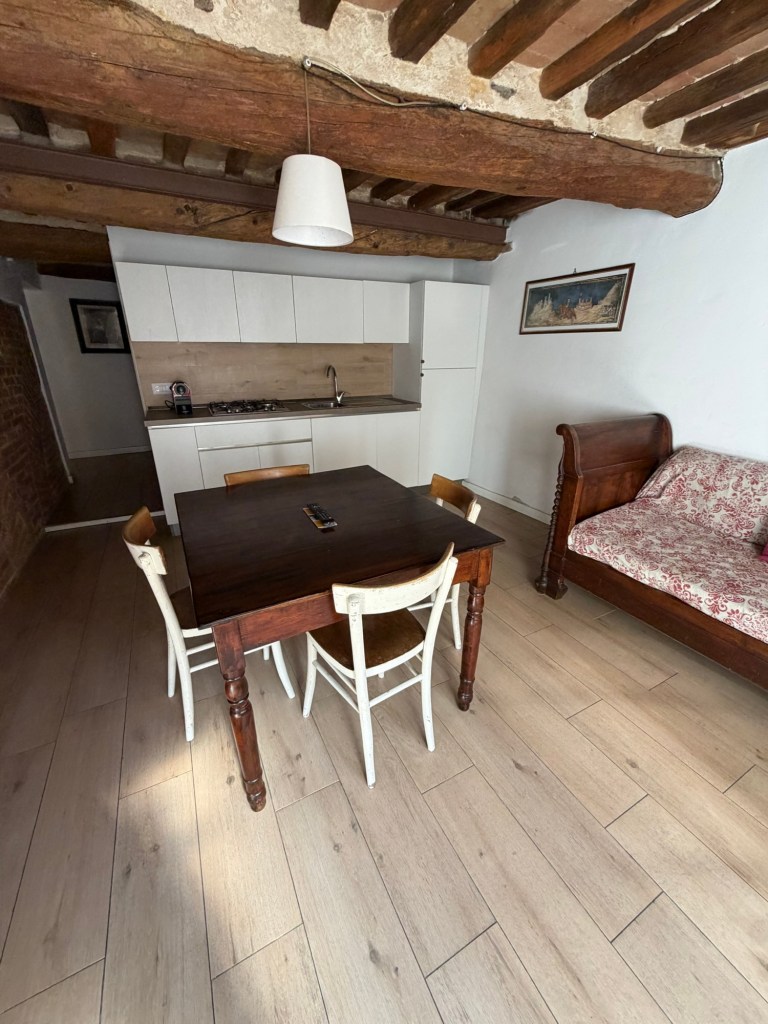
I found the Airbnb pretty easily. It was about 15 minutes walk from the train station a few bridges. It was warm out, rain was predicted.
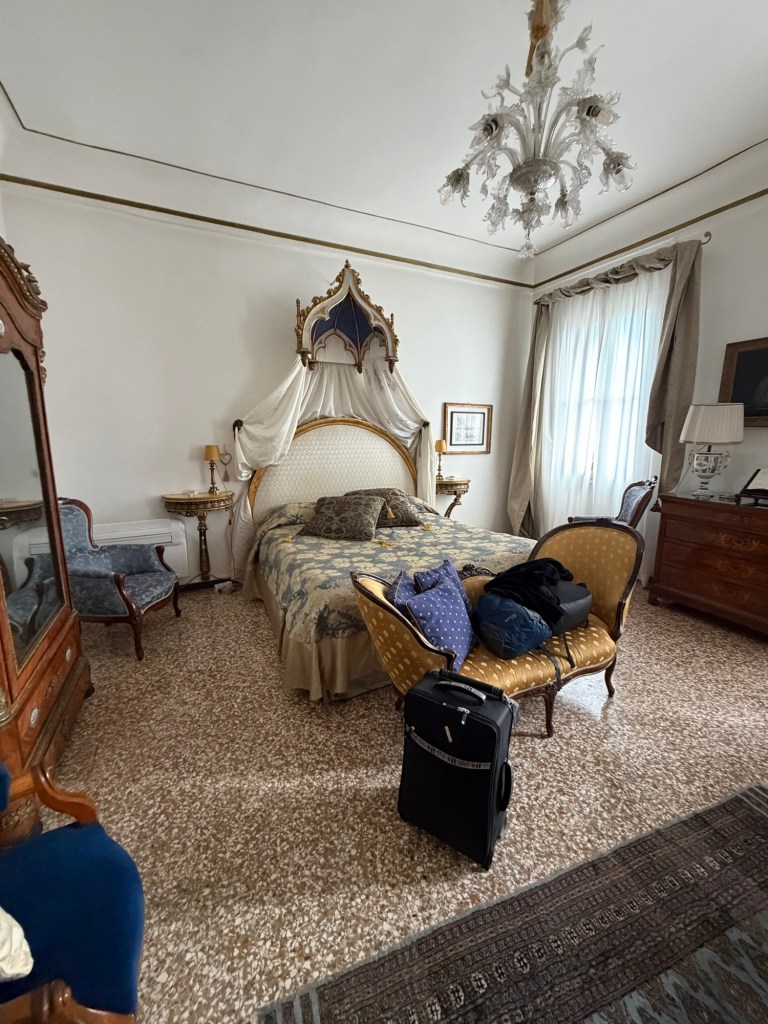
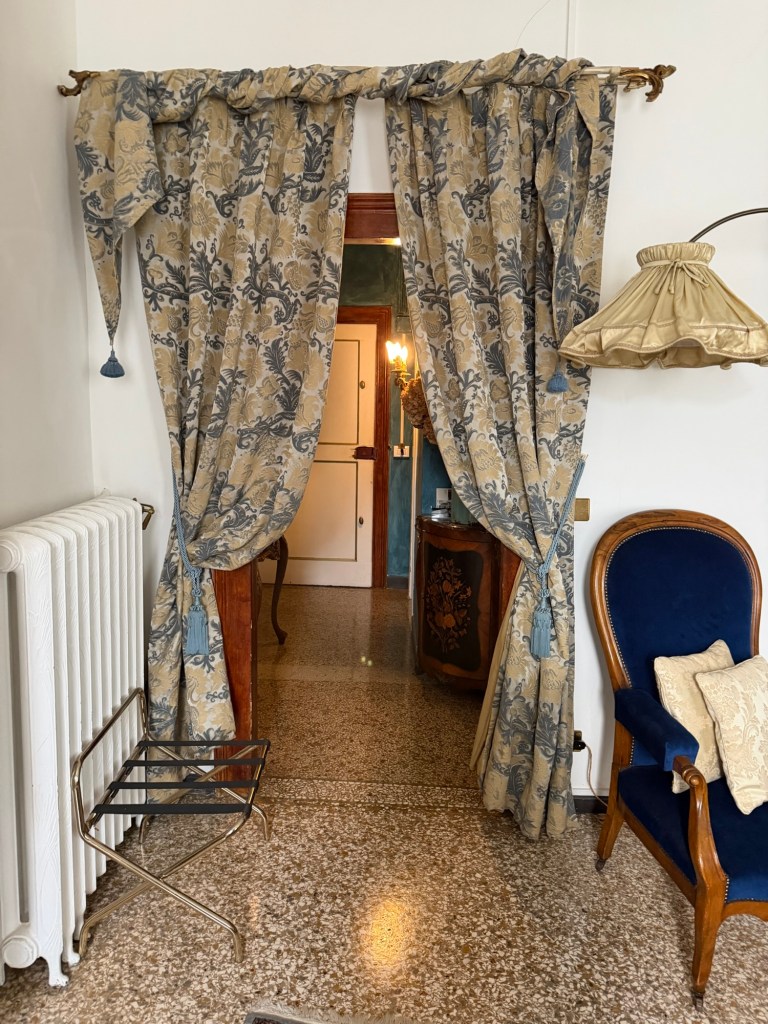
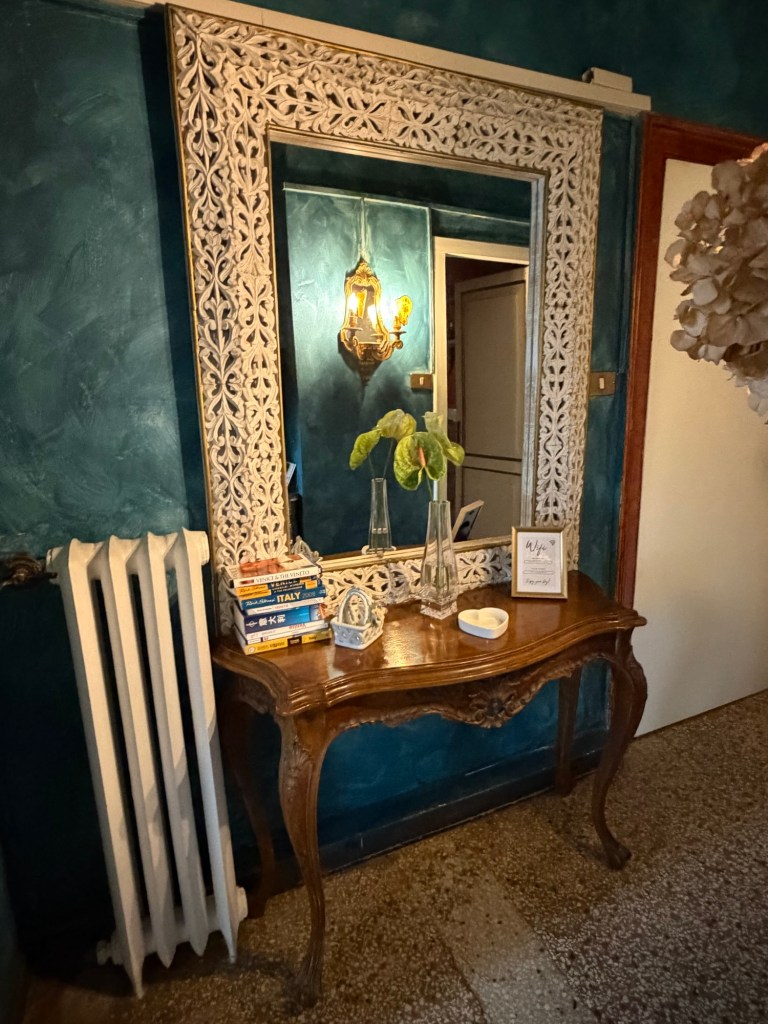
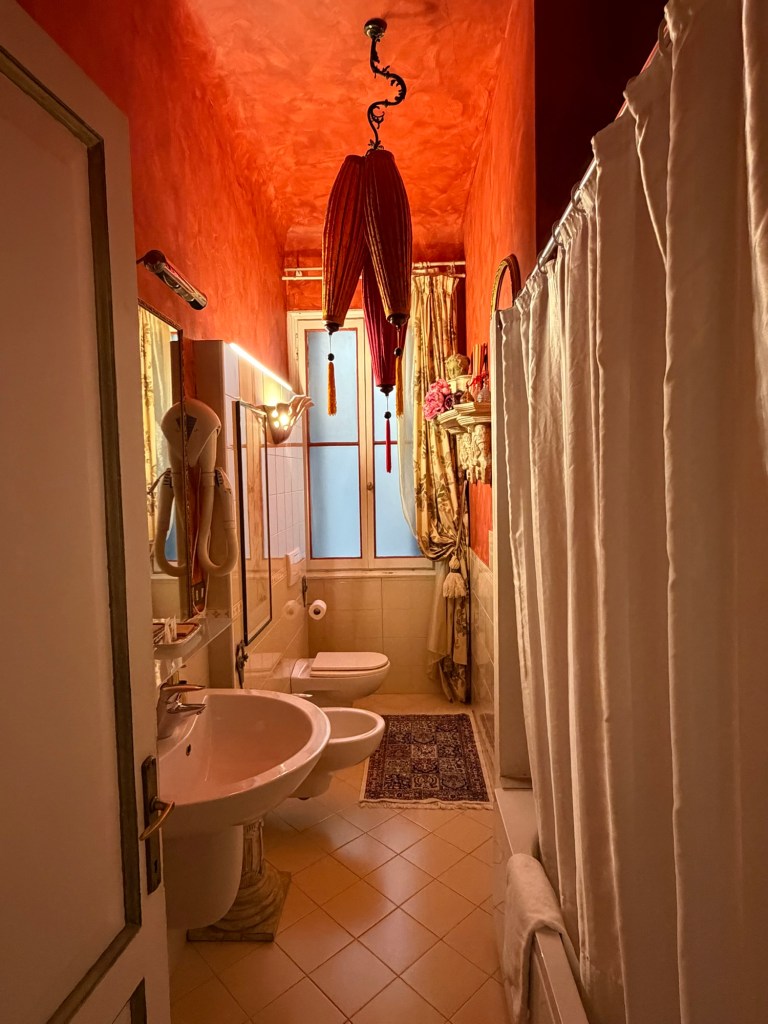
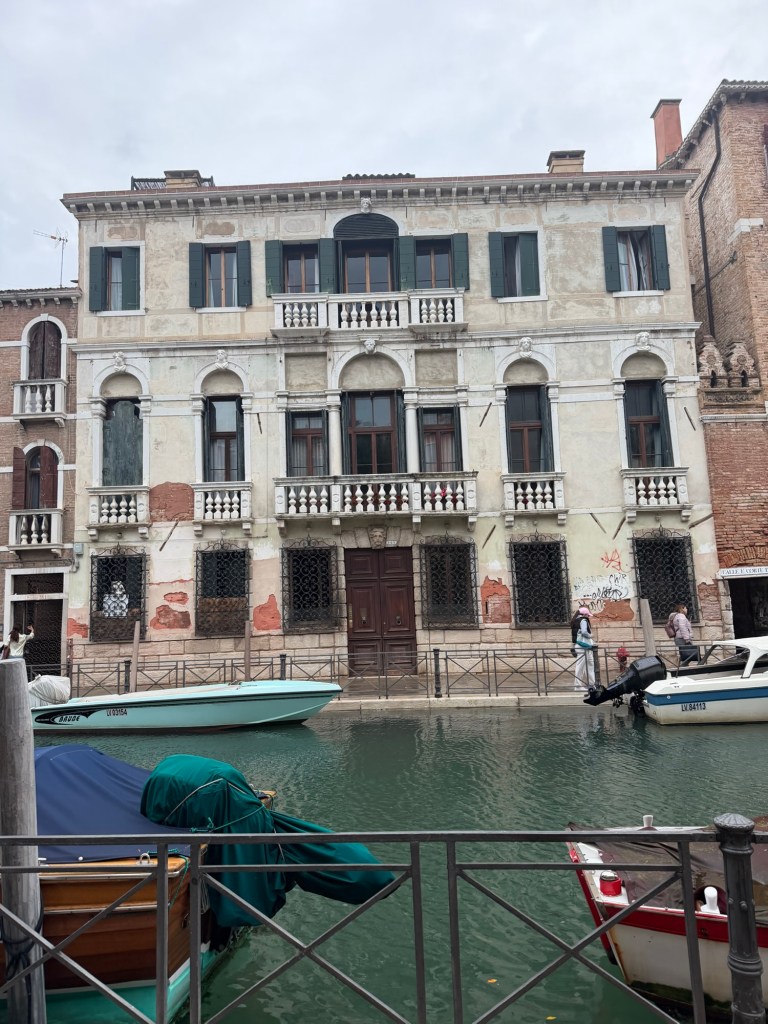
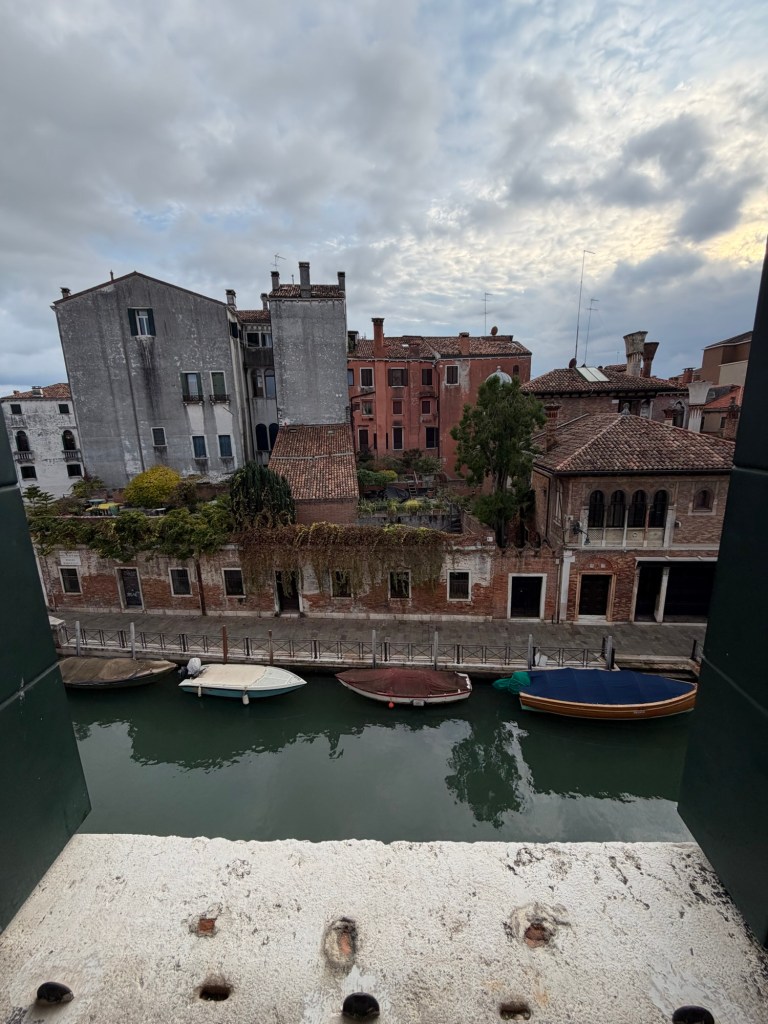
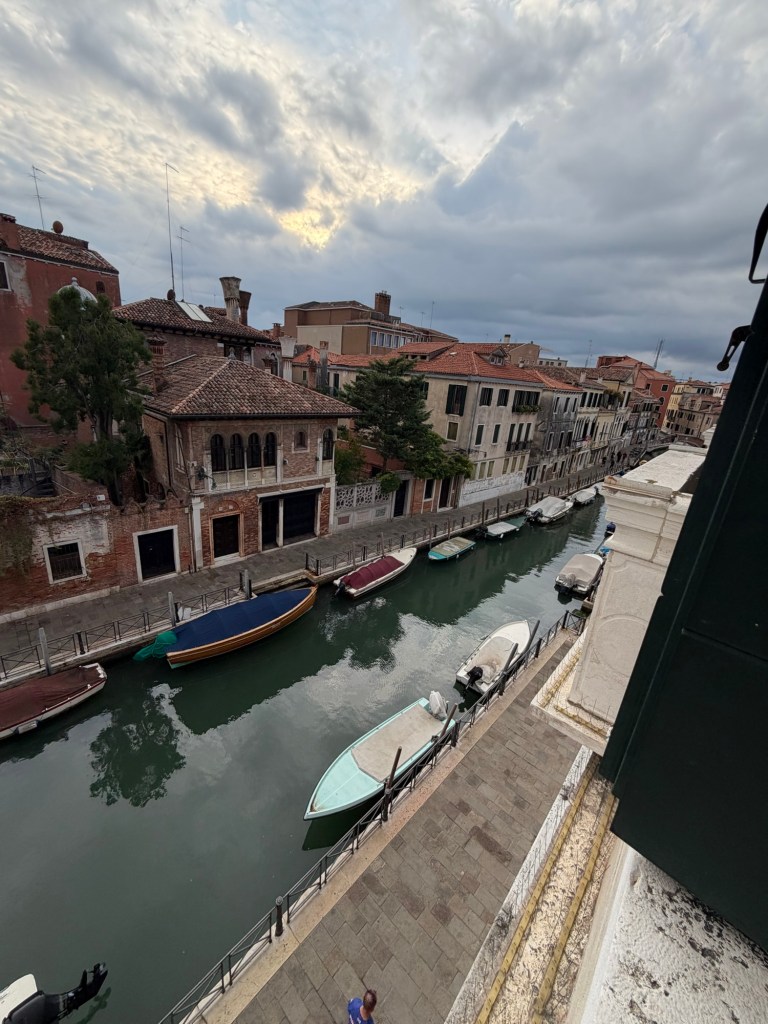
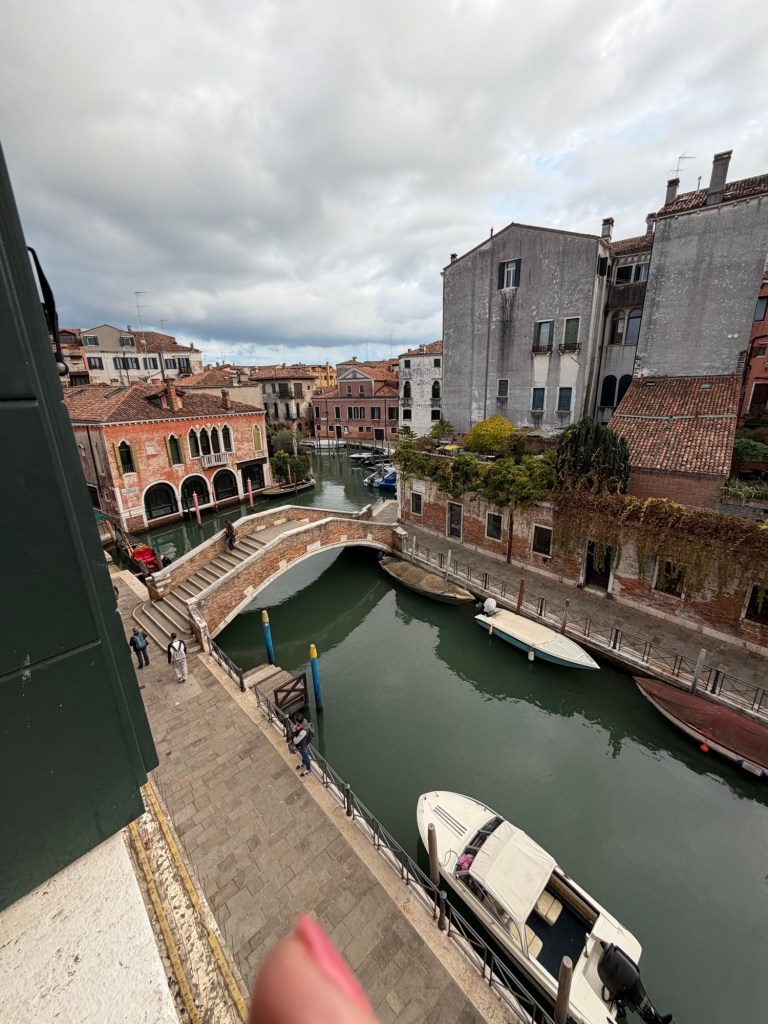
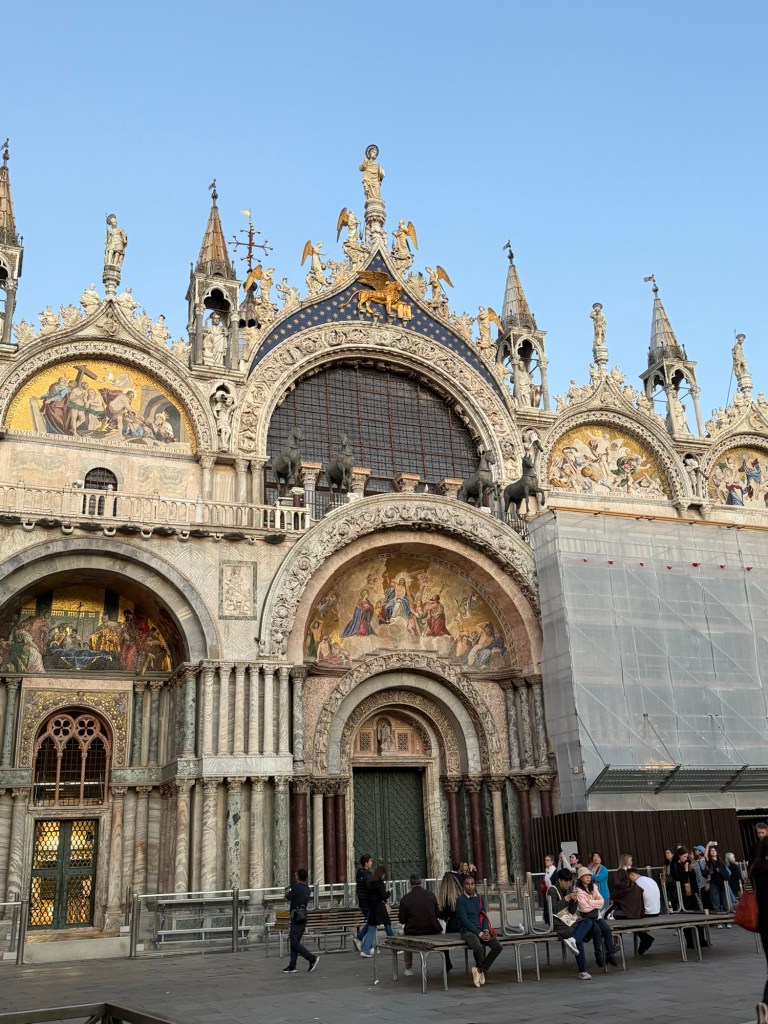
I dropped my stuff and immediately started visiting my old friend. I just kept walking. I ended up near the Accademia and then made my way to St Marks Basilica
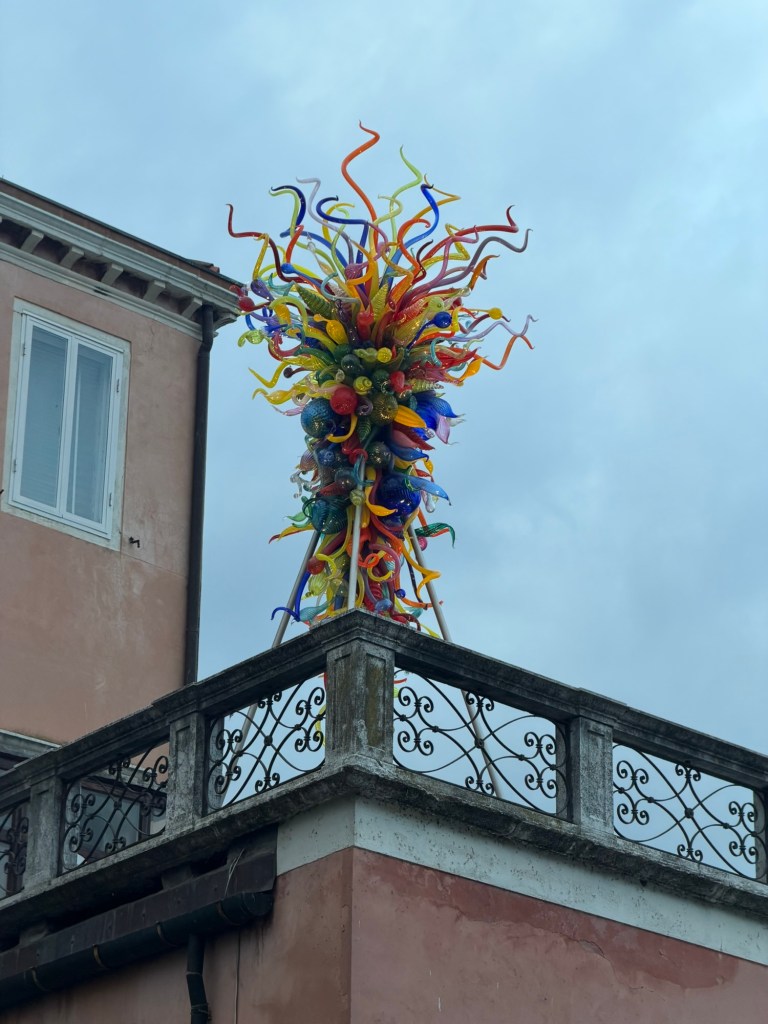
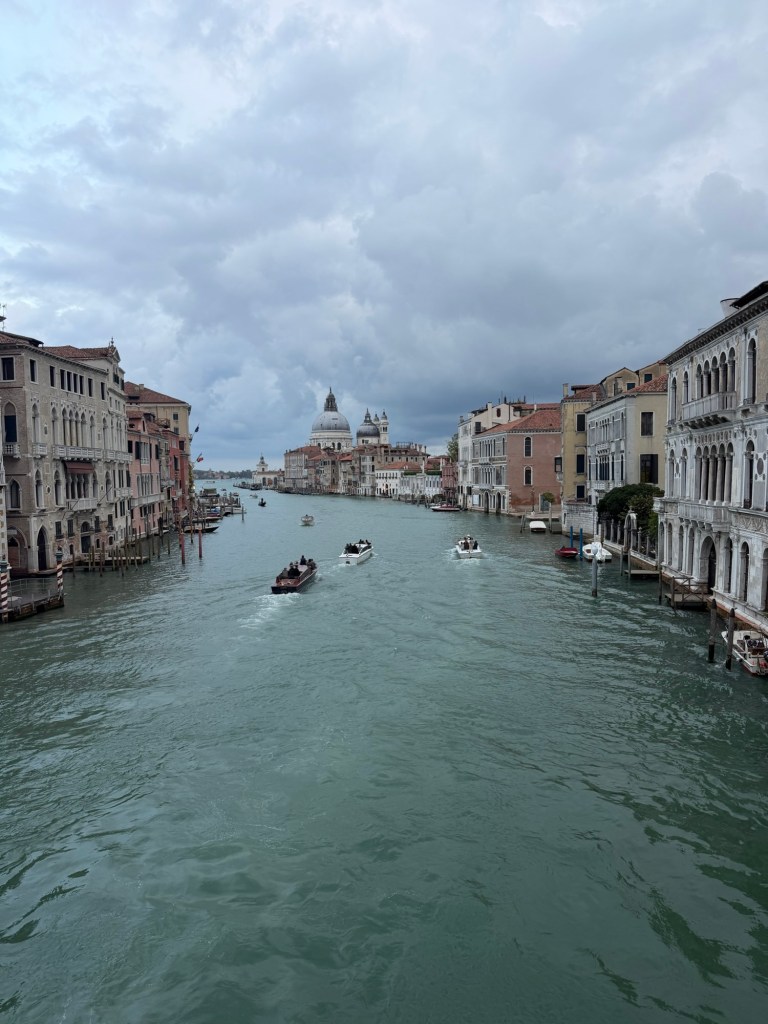
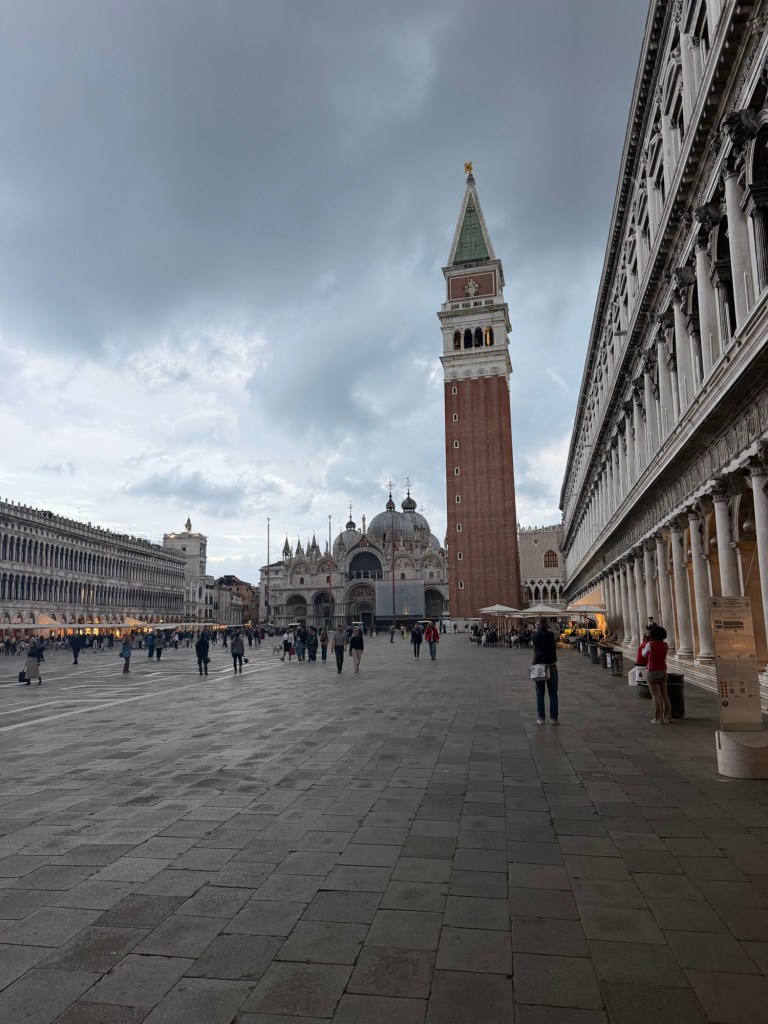
Time to eat
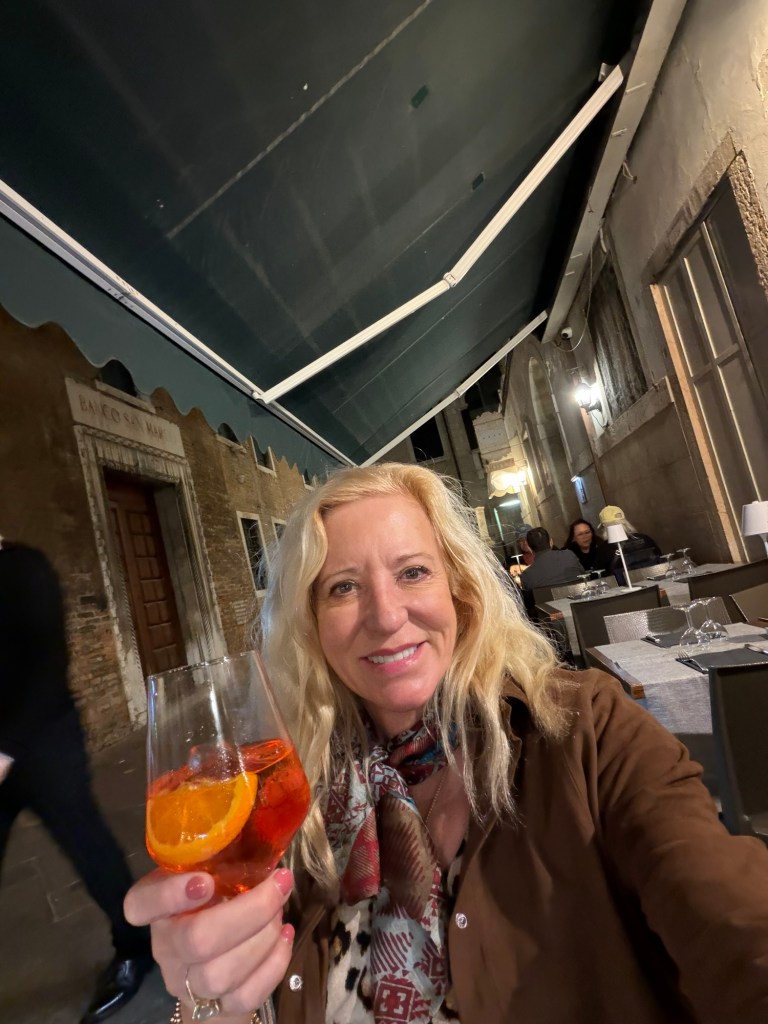
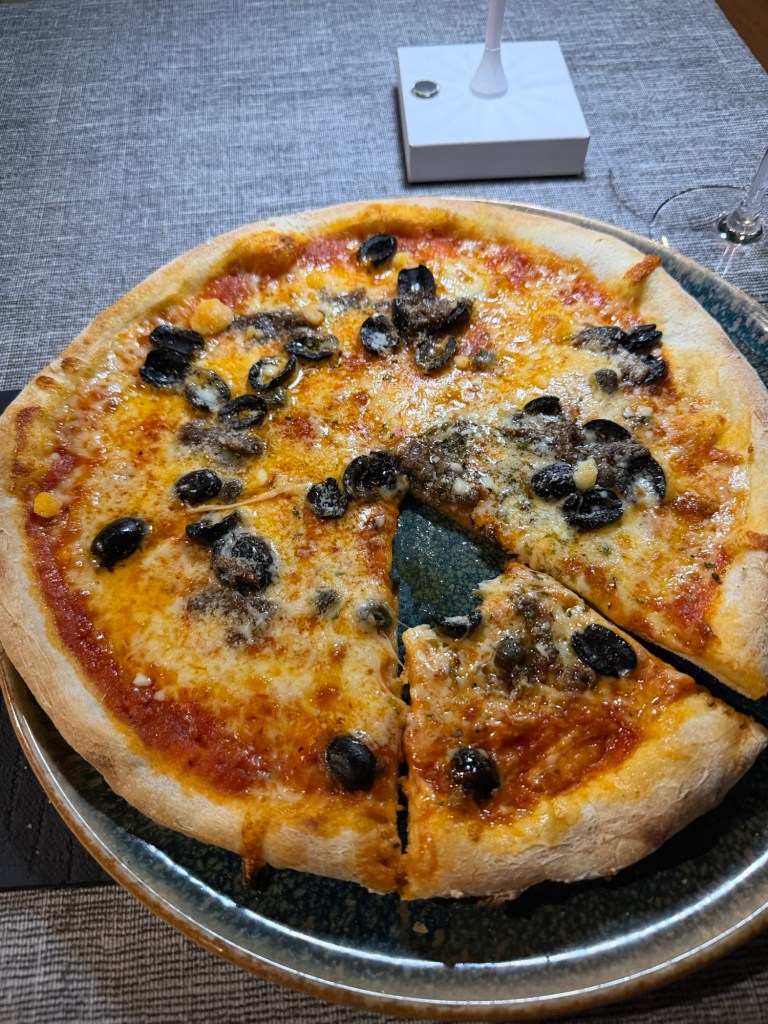
I walked some more and more. I had signed up for a food tour but missed it v of the delay.
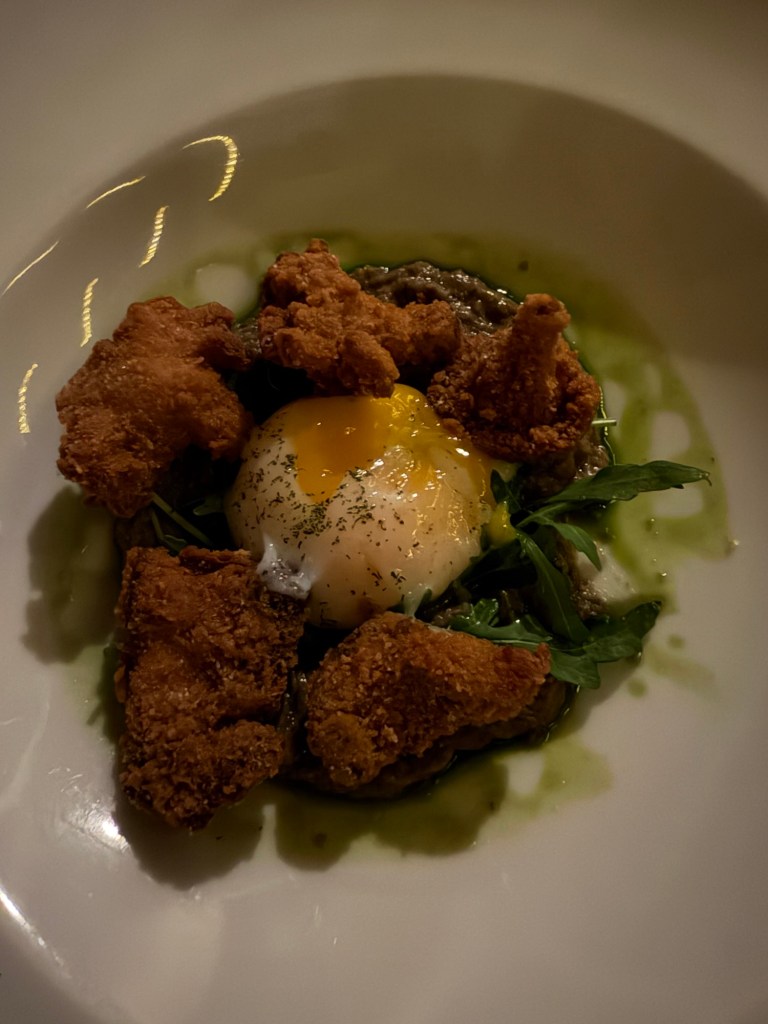
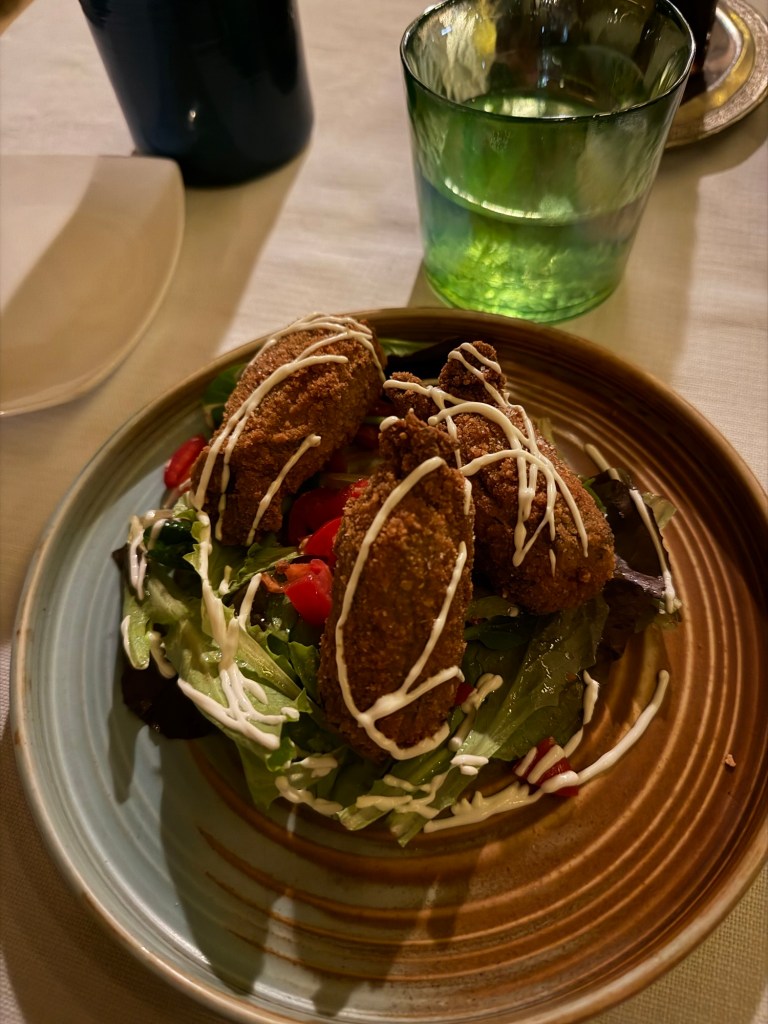
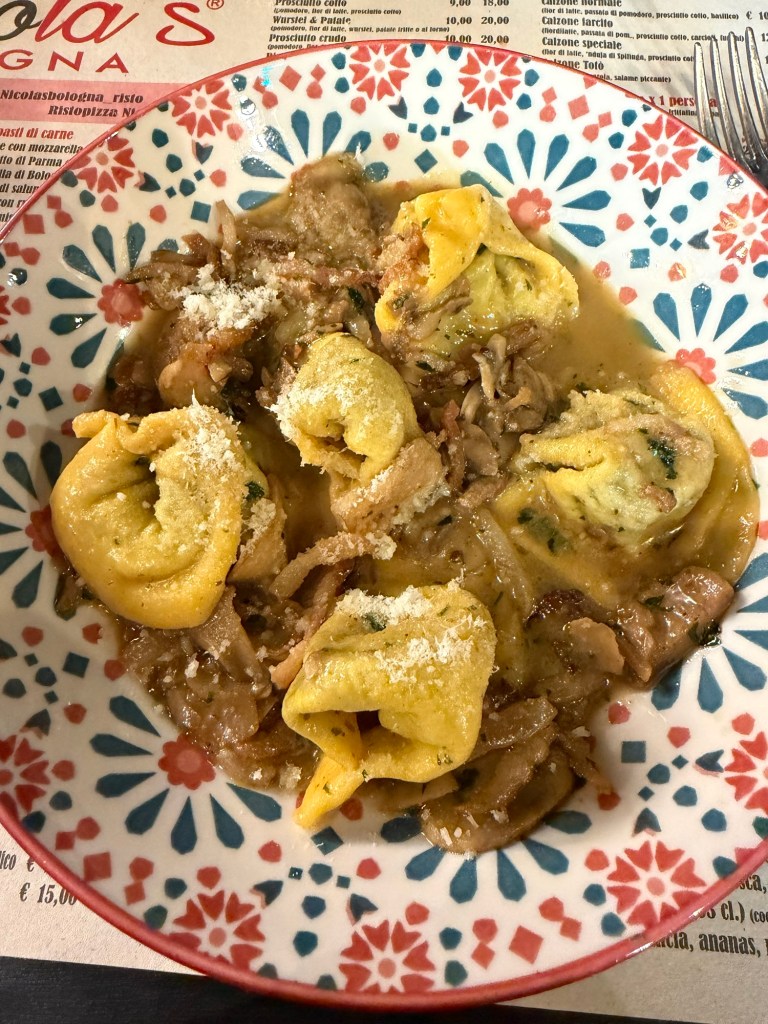
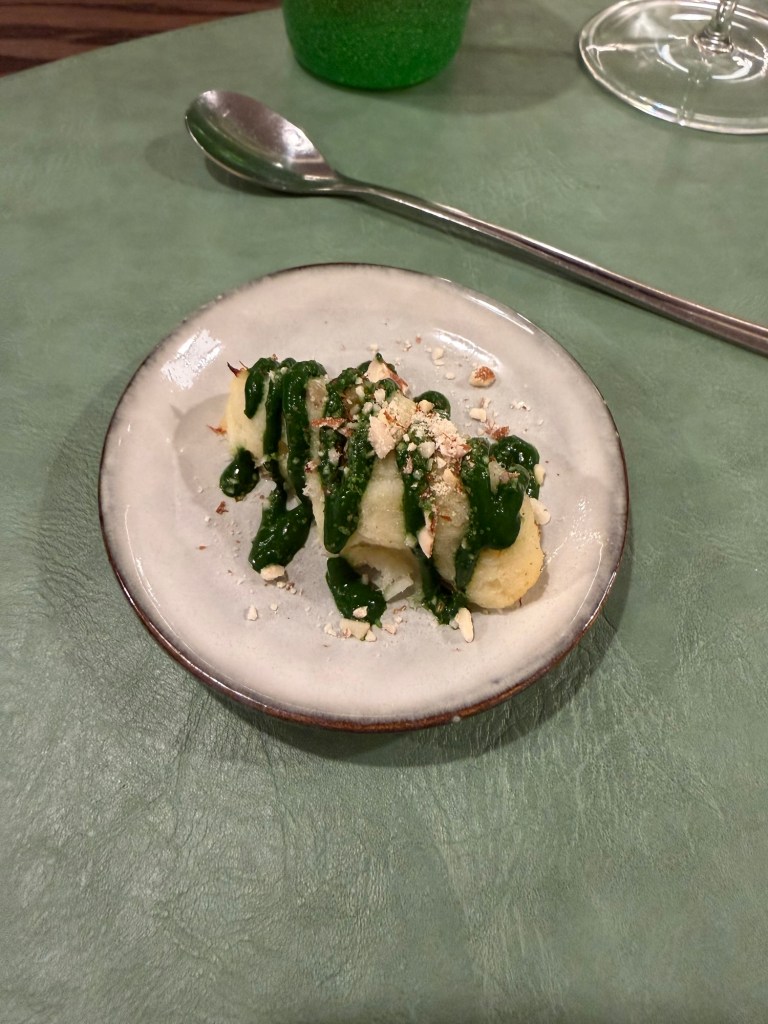
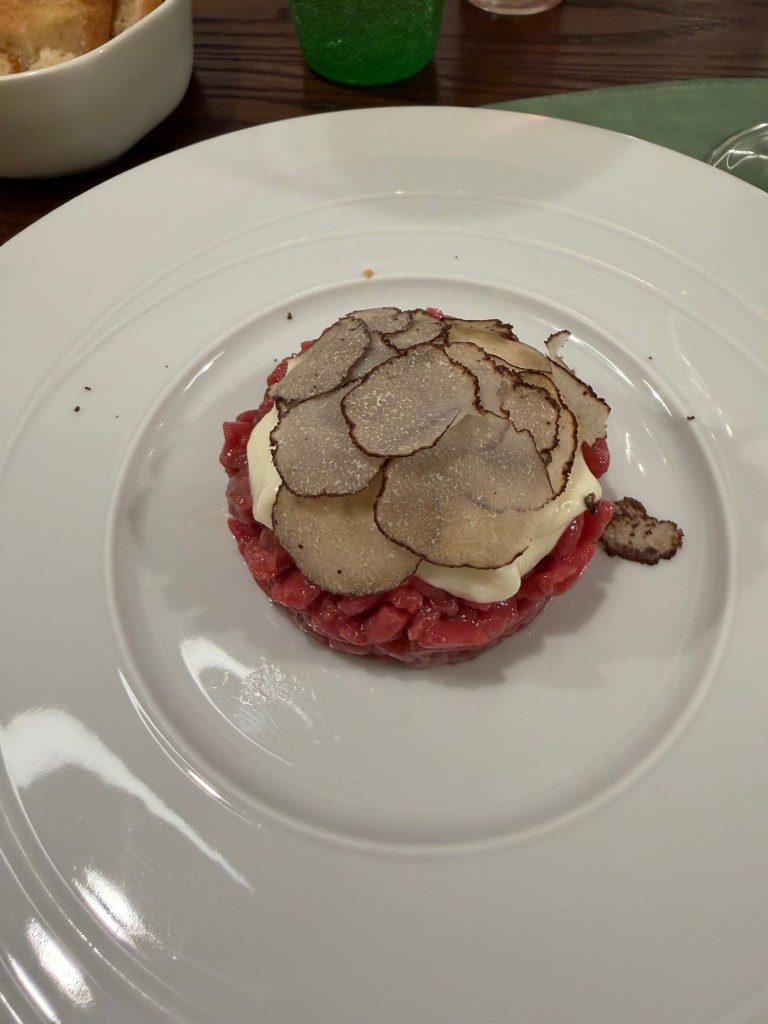
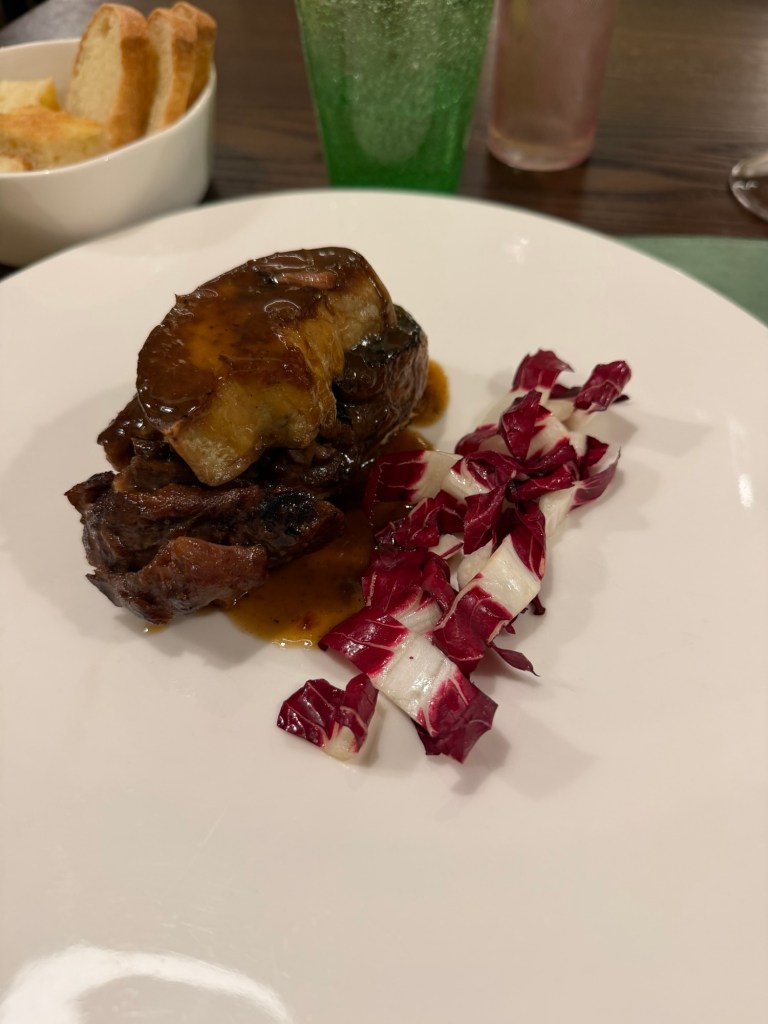
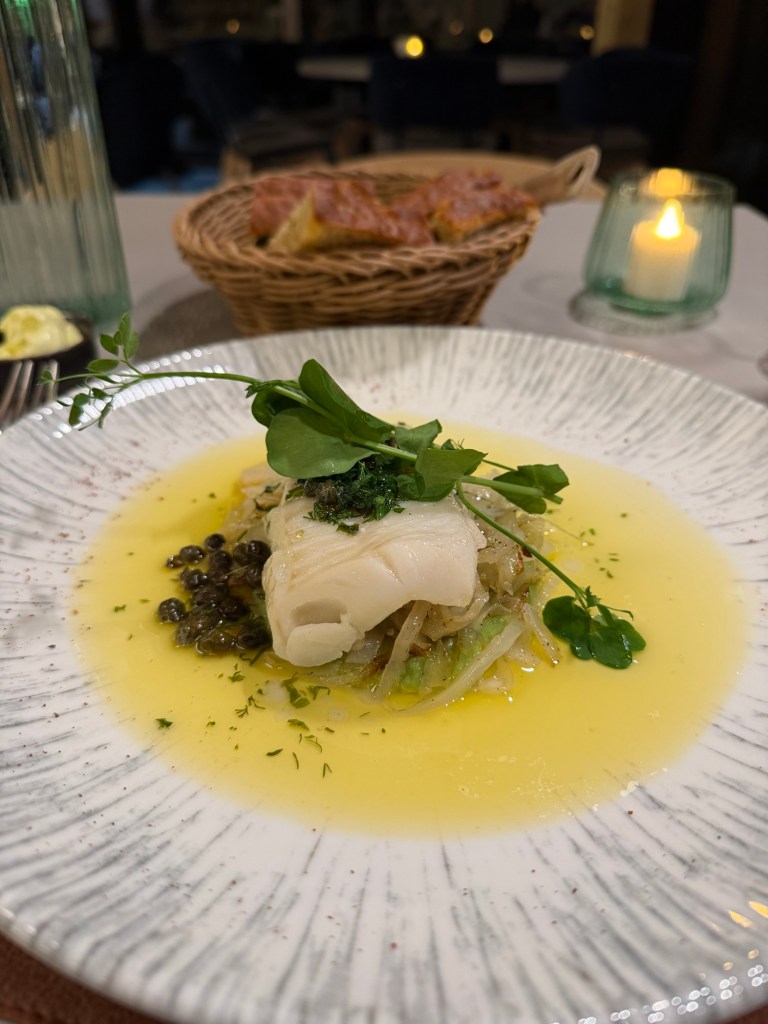
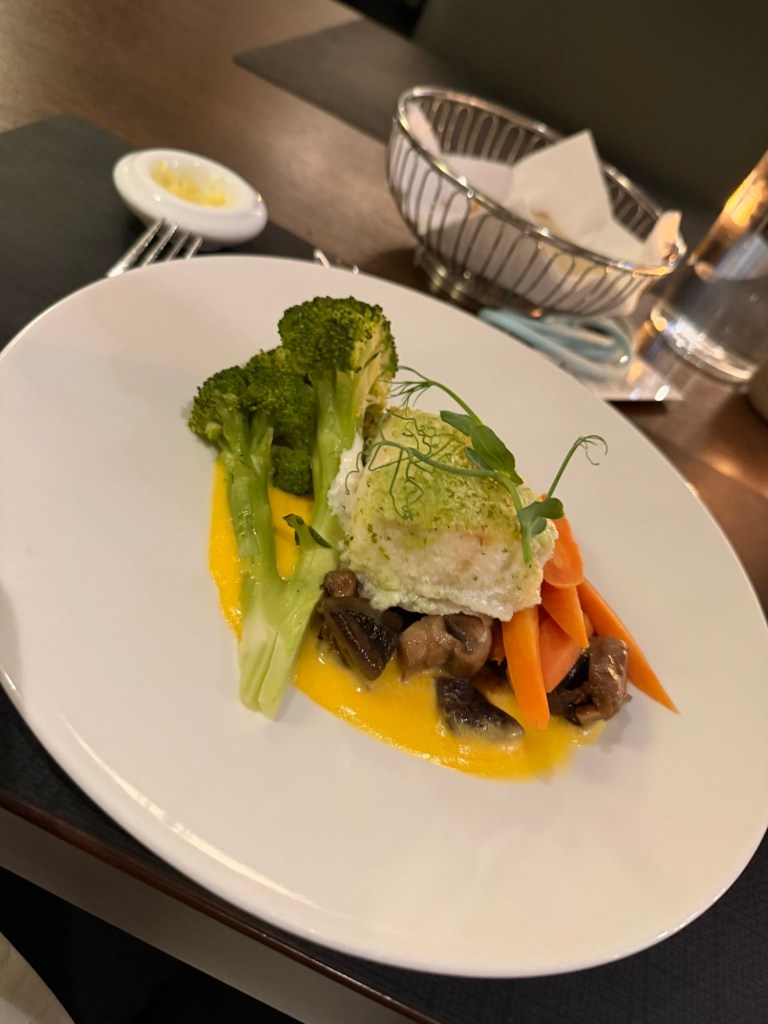
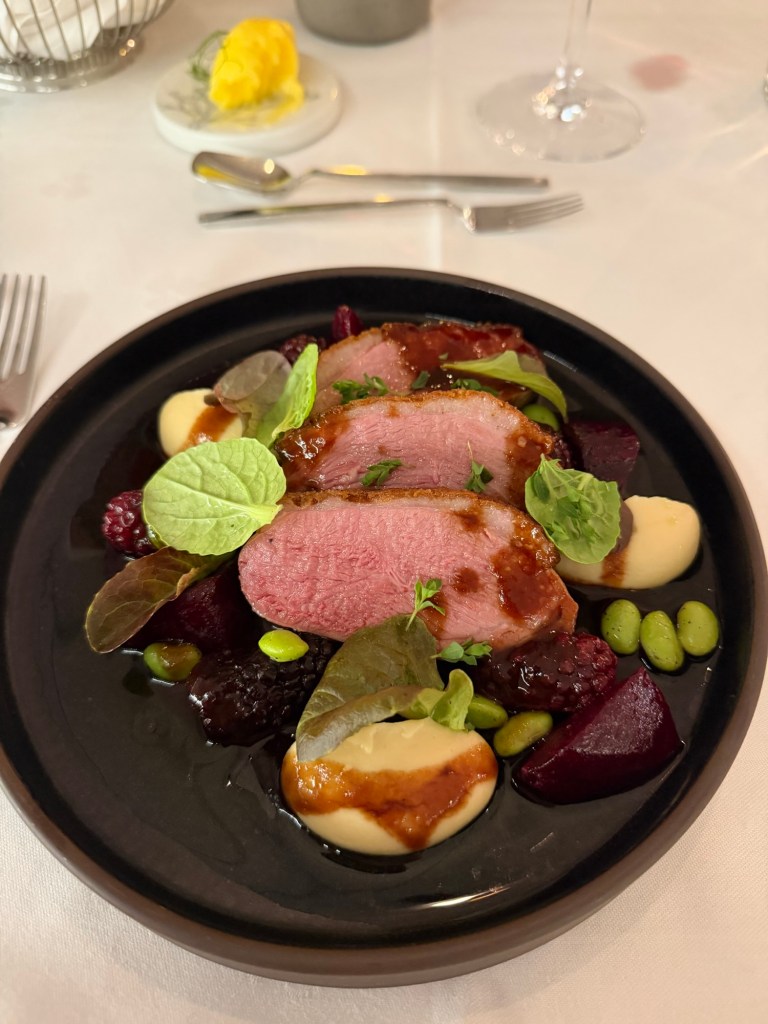
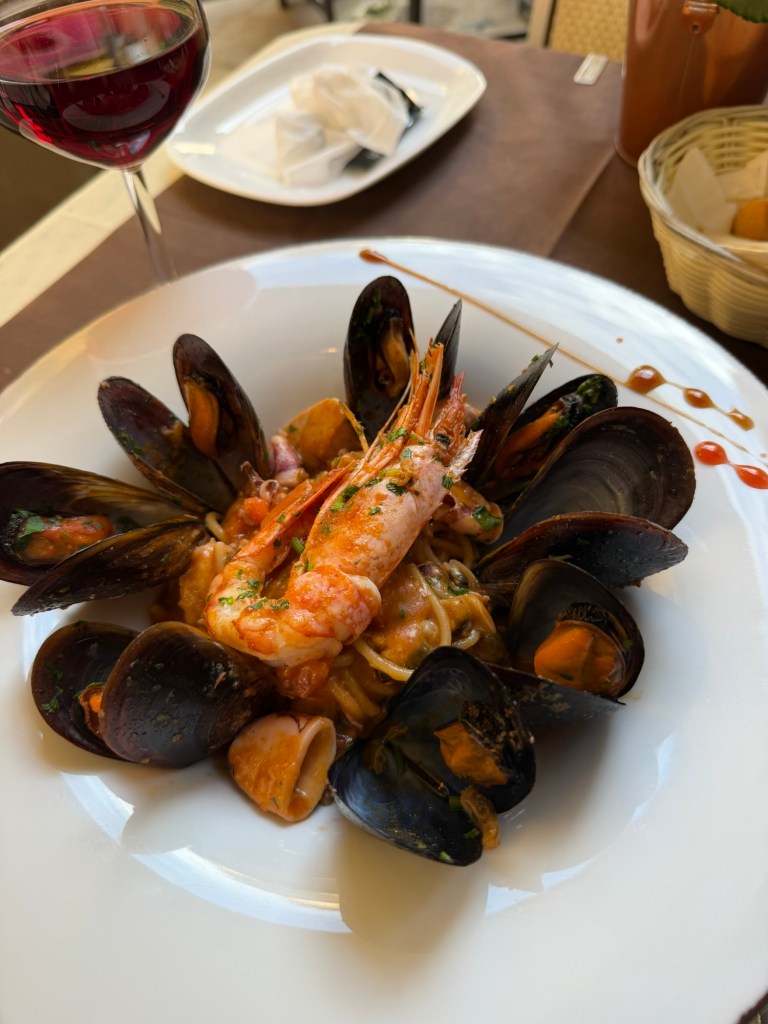
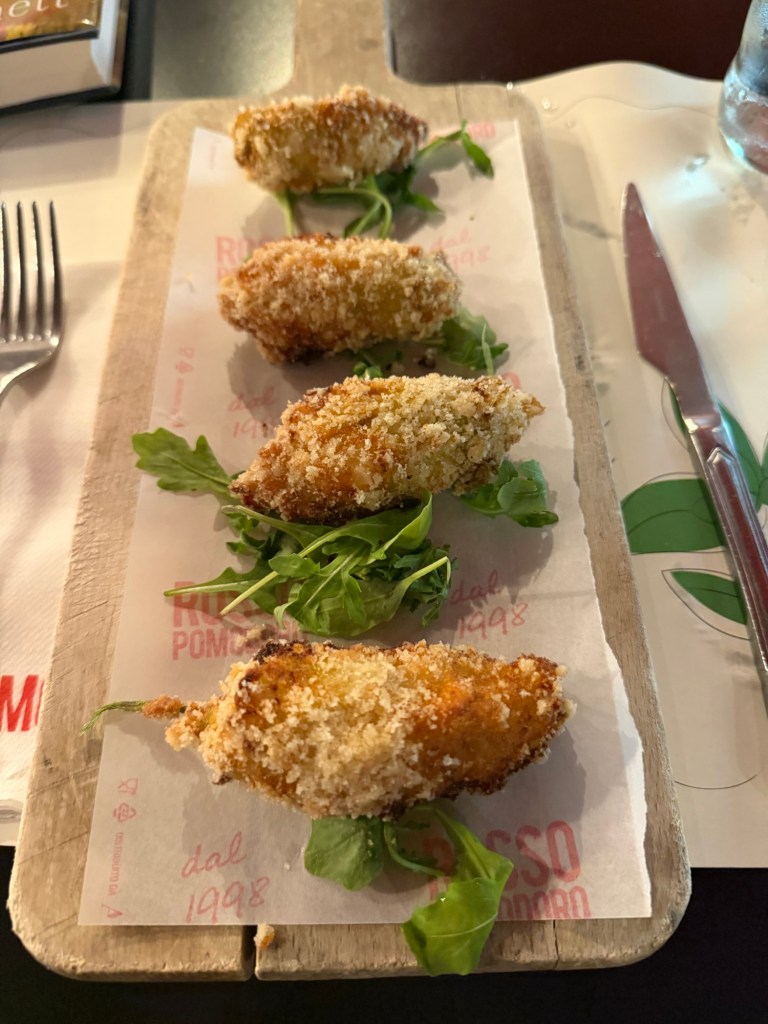
I looked for restaurants with Porchini mushrooms, my favorite thing to eat in Italy and they do t grow in the US at least not quite the same as here. Also live Zucchini flowers, both were disappointing. Ugg
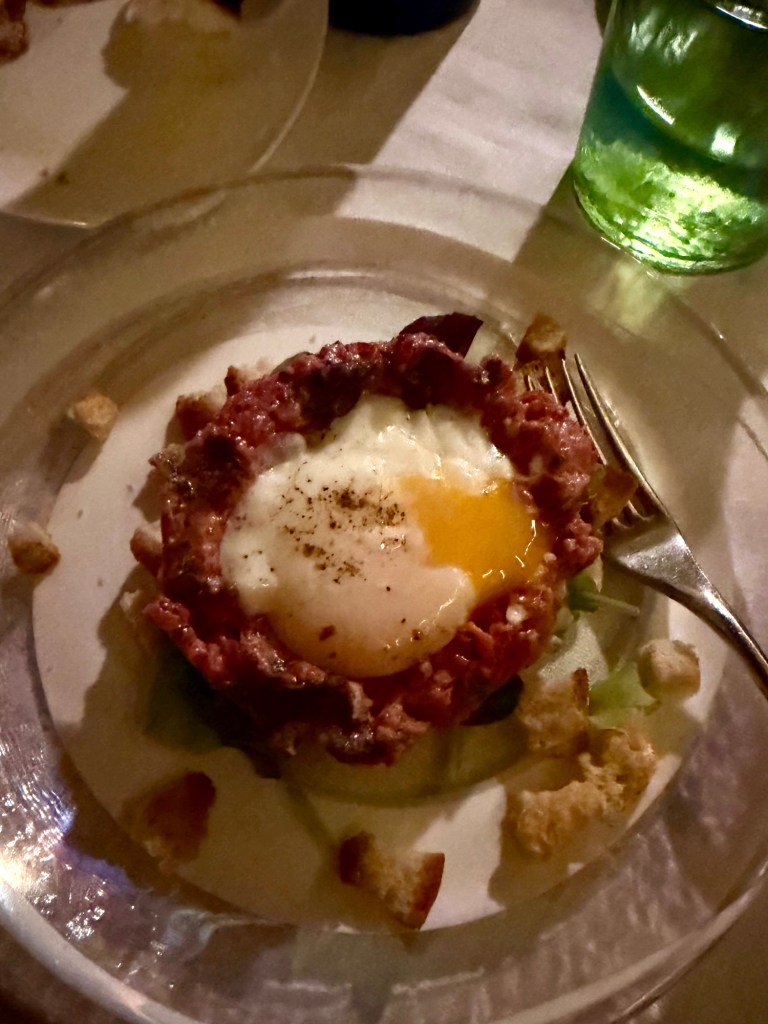
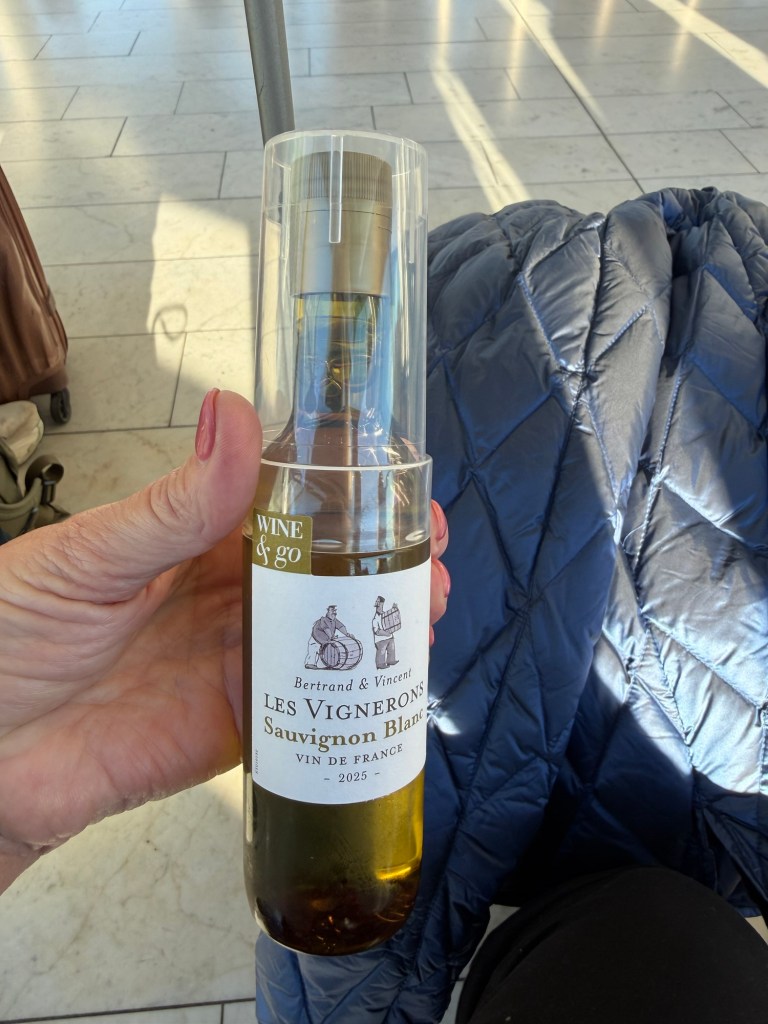
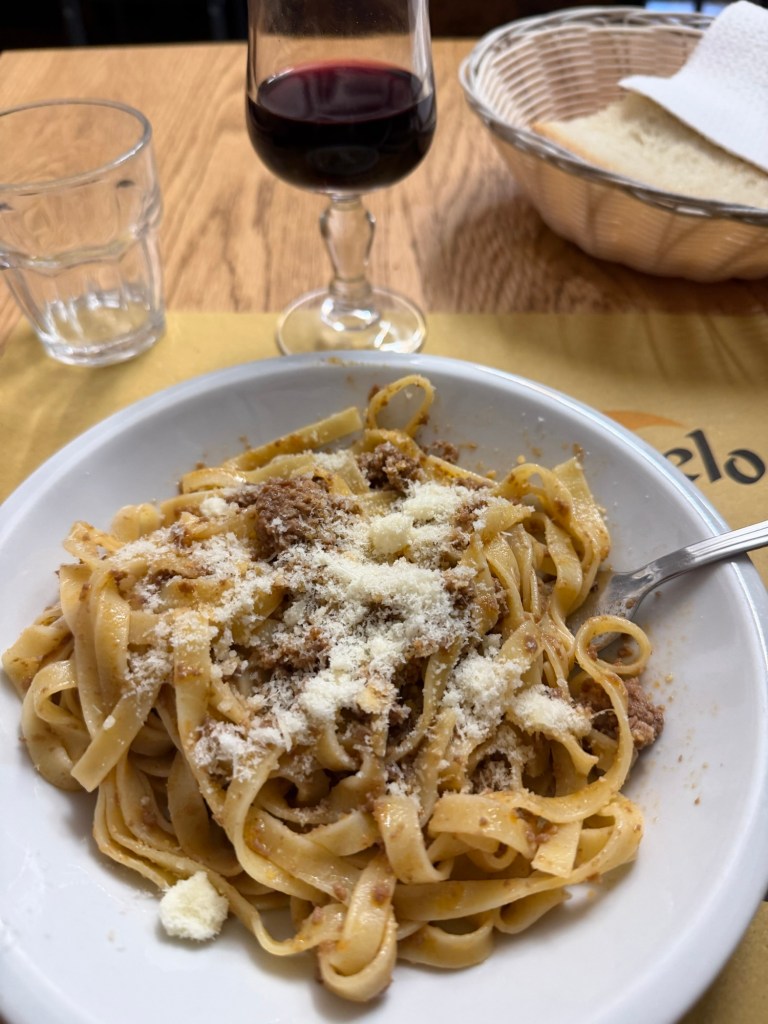
So the wine was good…. I found it best to order a half liter of house wine. It was usually pretty good. Time to head back to the apartment. It was starting to rain a little. I had the proper rain gear so no big deal. The whole week was predicted to be raining, but so far it hadn’t been a problem.
I had a good nights sleep. It’s pretty dark in the morning. I thought that I had set an alarm but I didn’t. I wanted to get to the market early. Yesterday I spent too much time looking for Porchinis. The place I had been to the night before was supposed to be to have sautéed porchinis but they didn’t and what they gave me was not good.
I found the market. It’s about a 20 min walk. Found the mushrooms! I bought a quarter kg. Next to find Olive oil, butter, and garlic
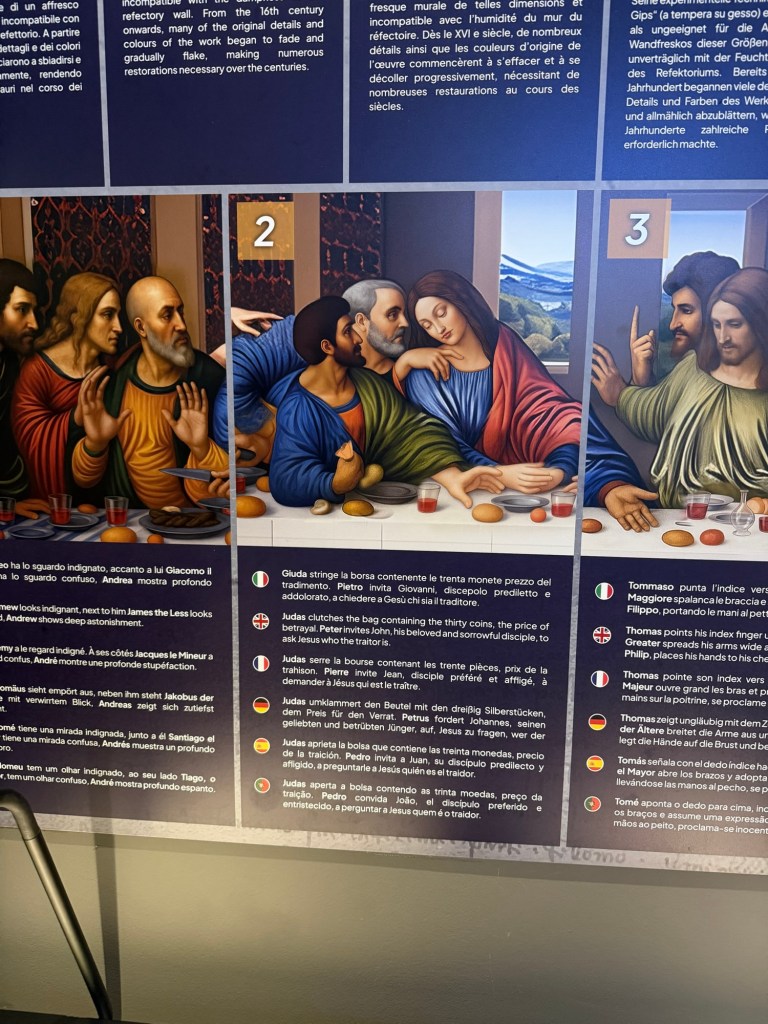
Stopped off at the Leonardo de Vinci exhibit. What a genius! Cool museum but so many children. ChatGPT and I had an interesting chat about Mary Maglenene and the painting of the Last Supper and other religious conversations
Home to start cooking the mushrooms!
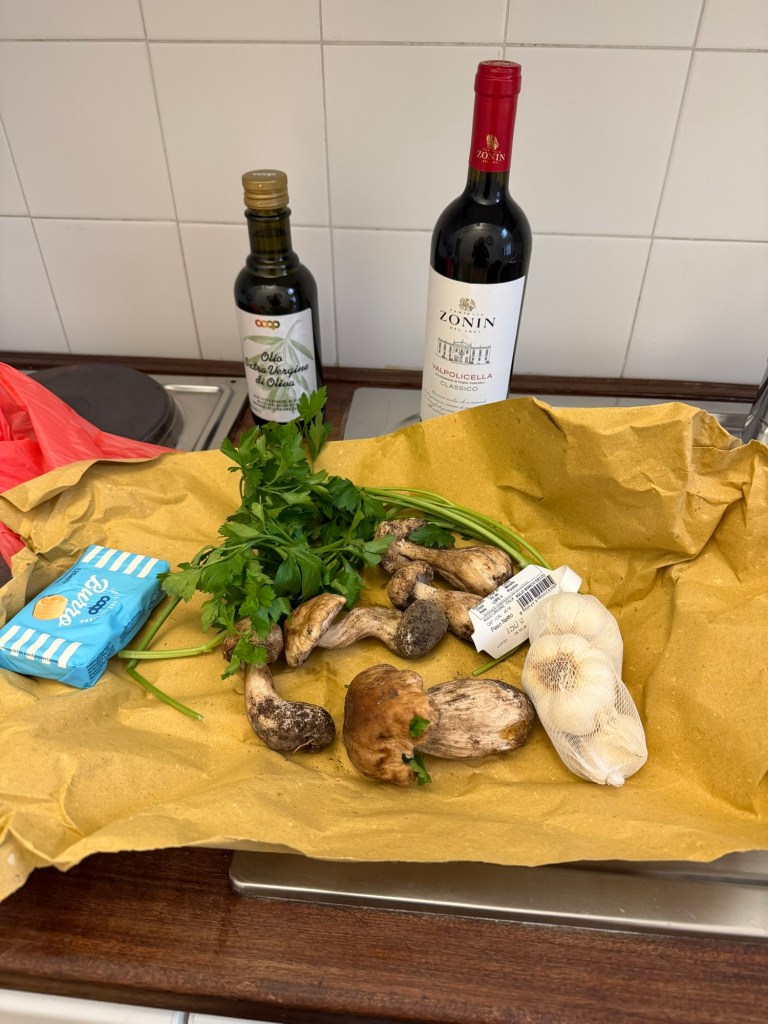
I started the mushrooms while reading about Venice. Rain was threatening so I went out. I needed salt
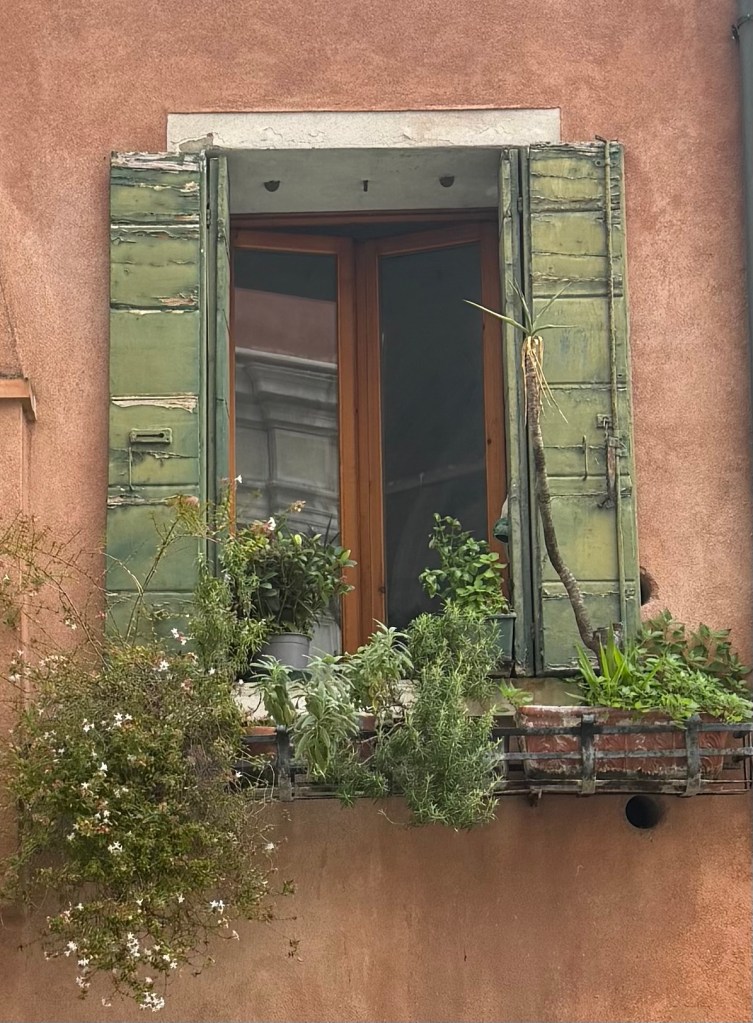
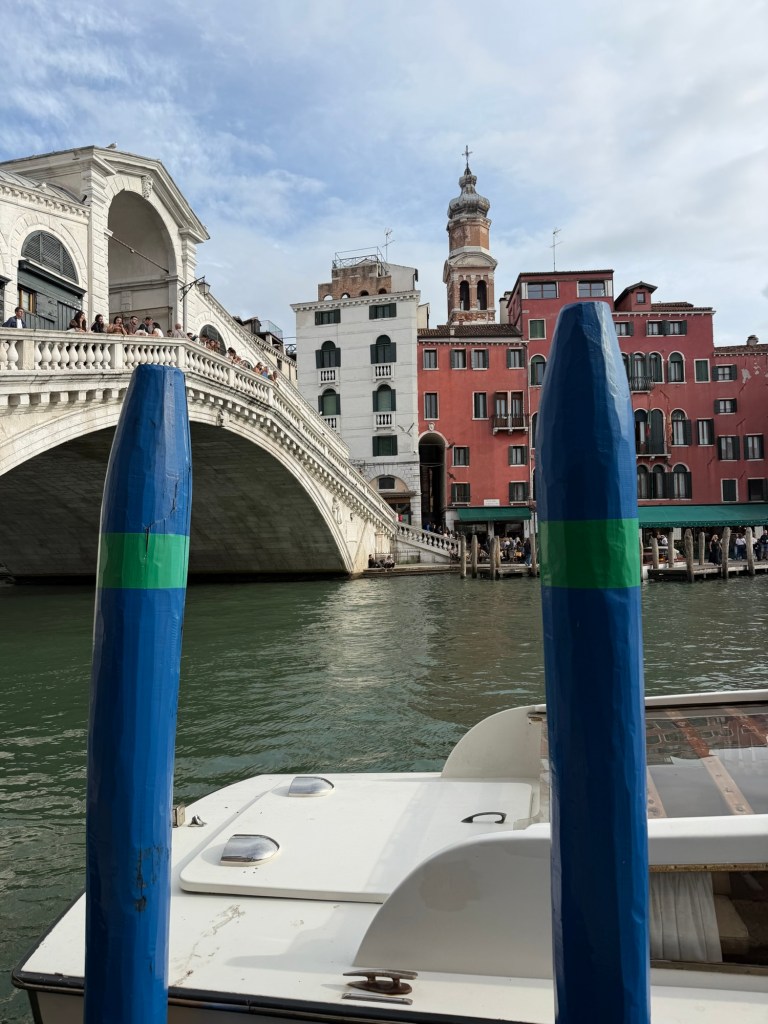
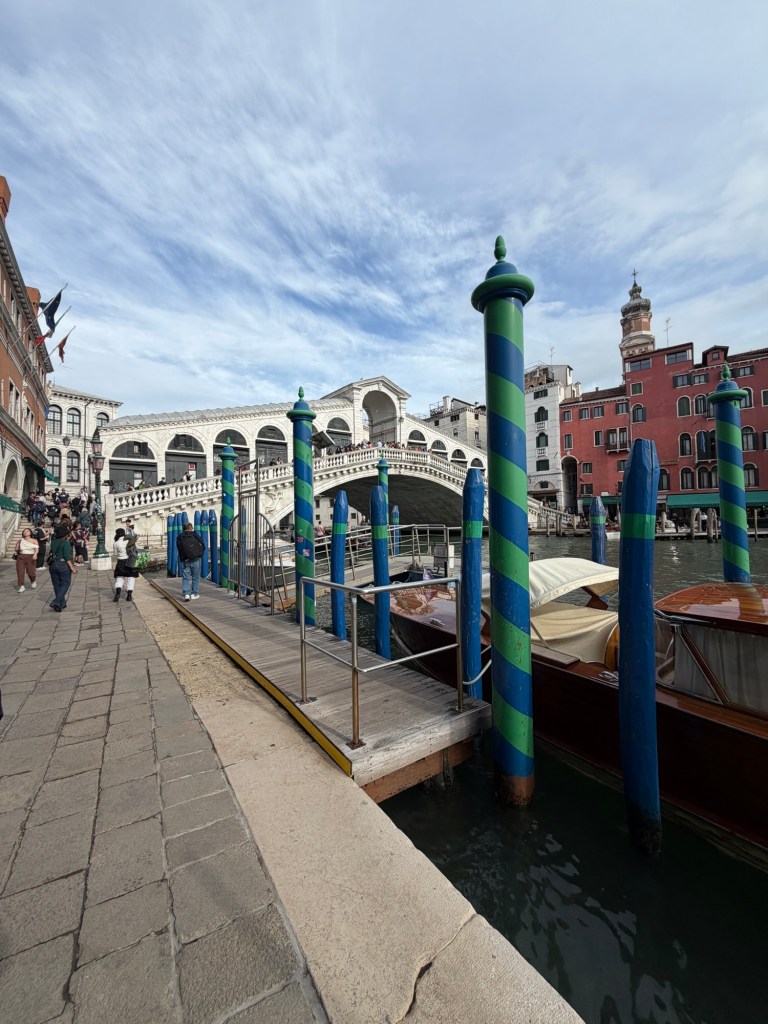
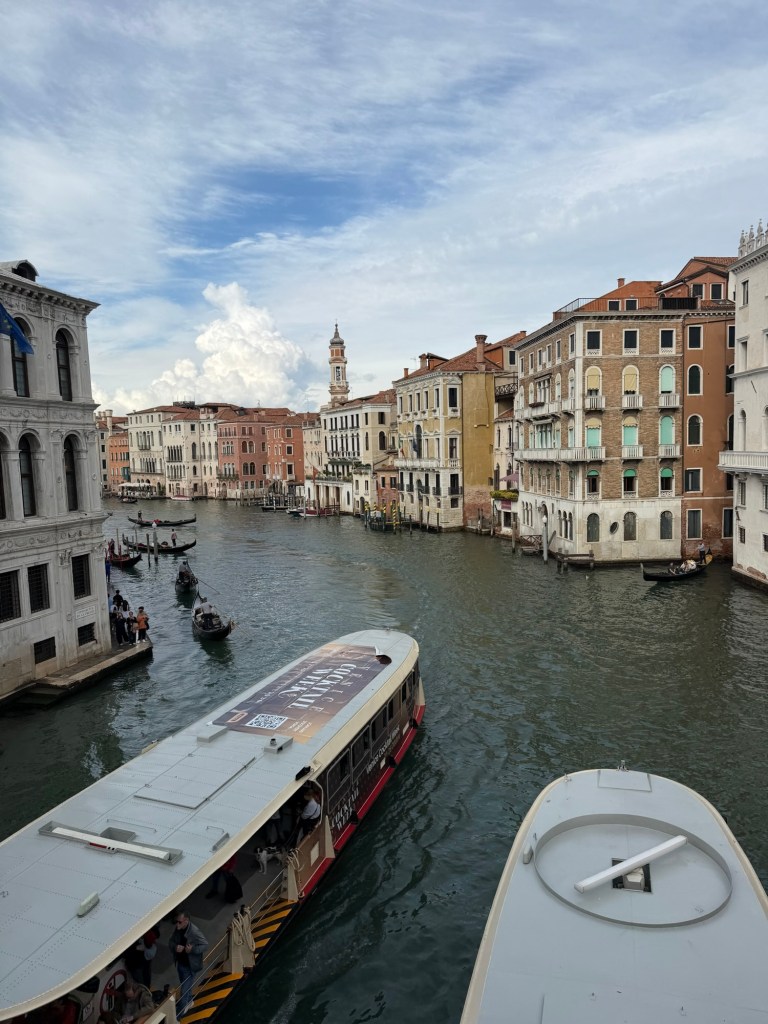
I just love walking this town. So easy to get lost and lots of backtracking.
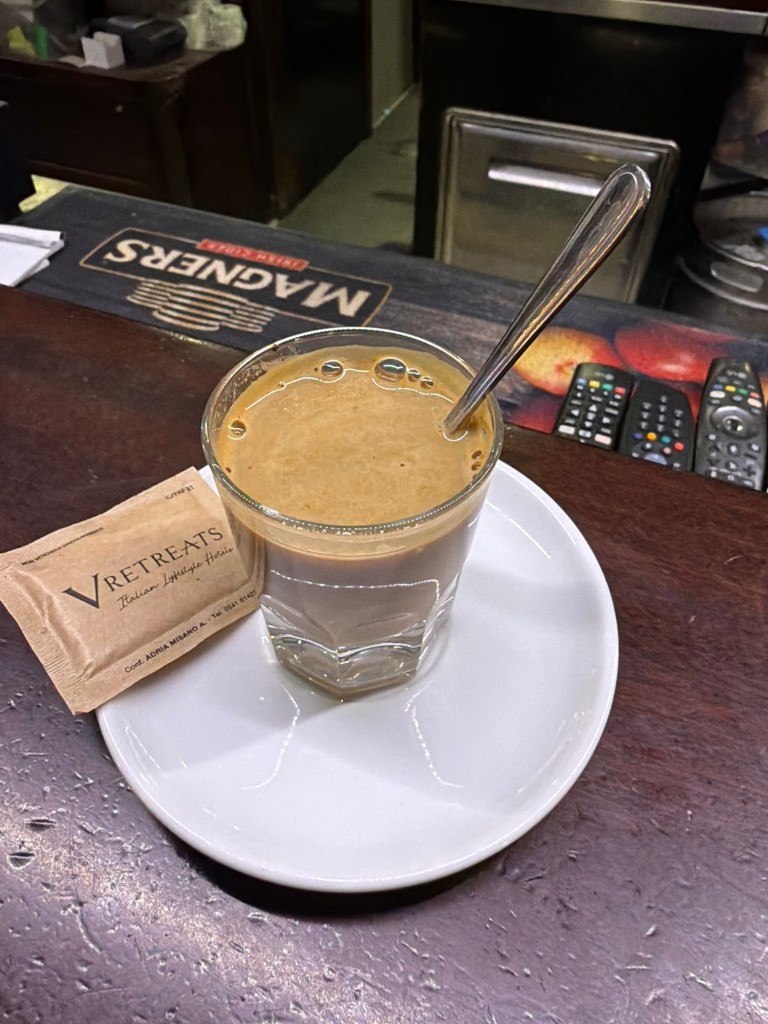
Time to get my Irish Pub in!
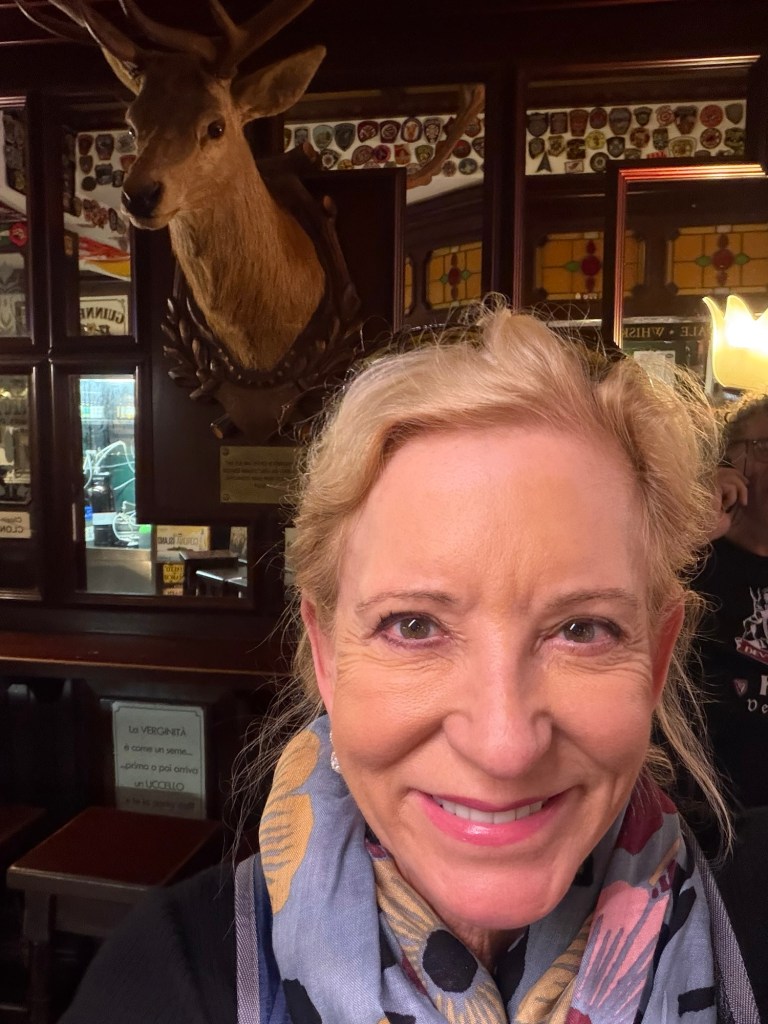
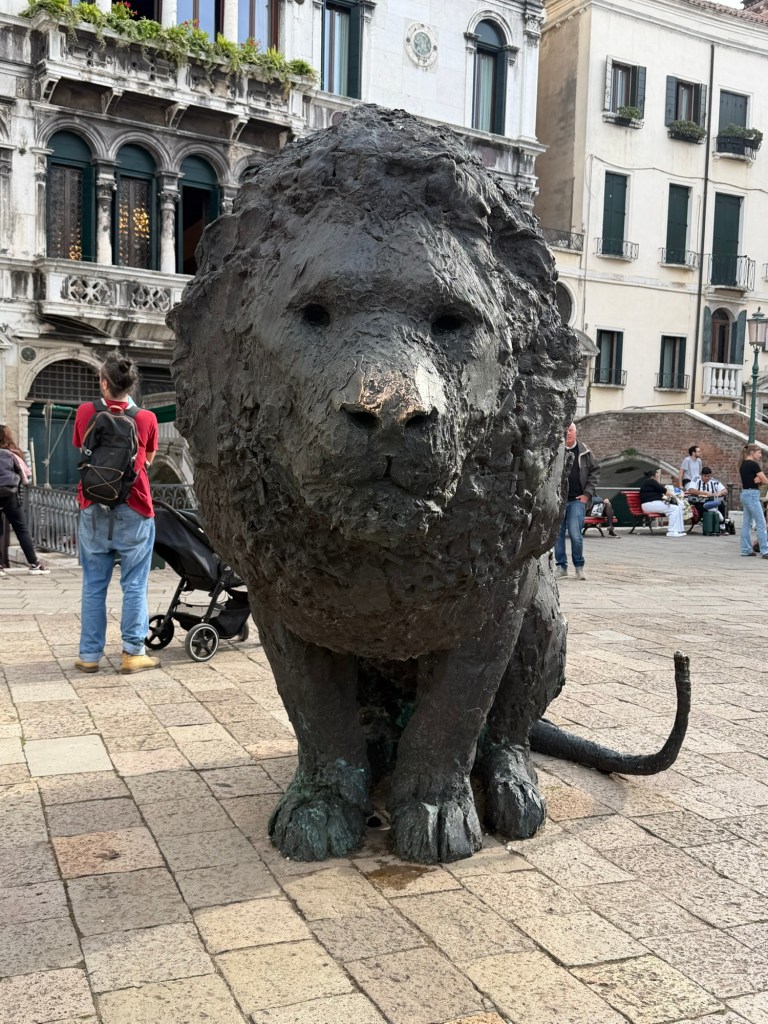
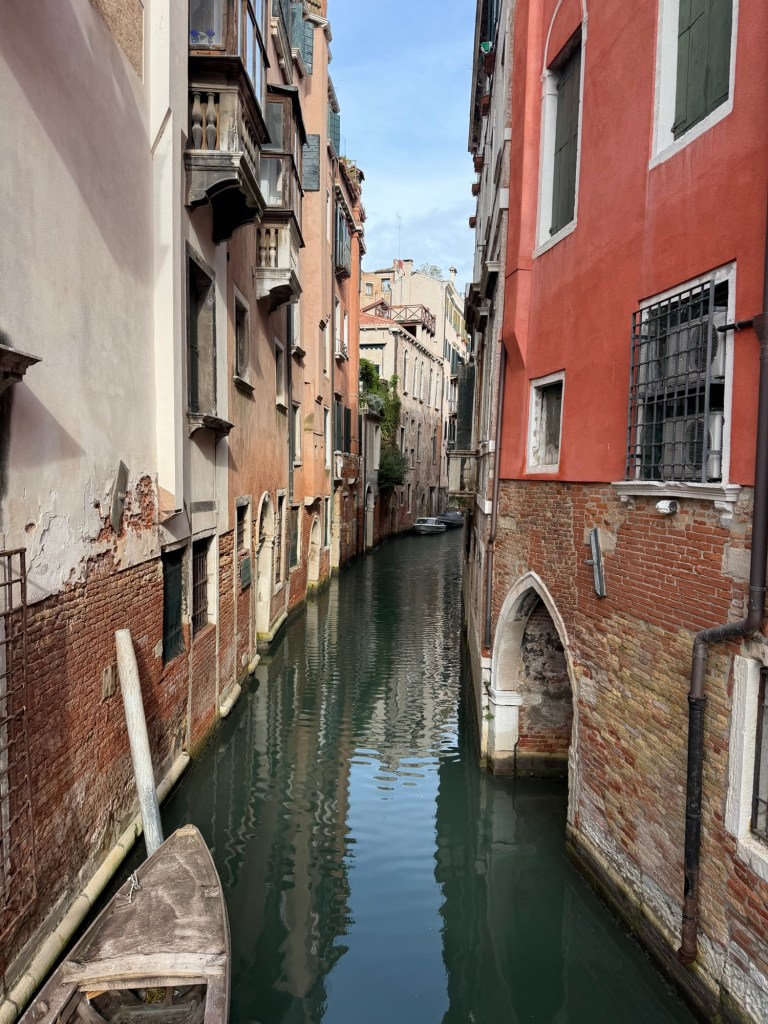
On my way to find a certain palace, Palazzo Grimini. It was beautiful and crazy that it had an exhibit from Ghana
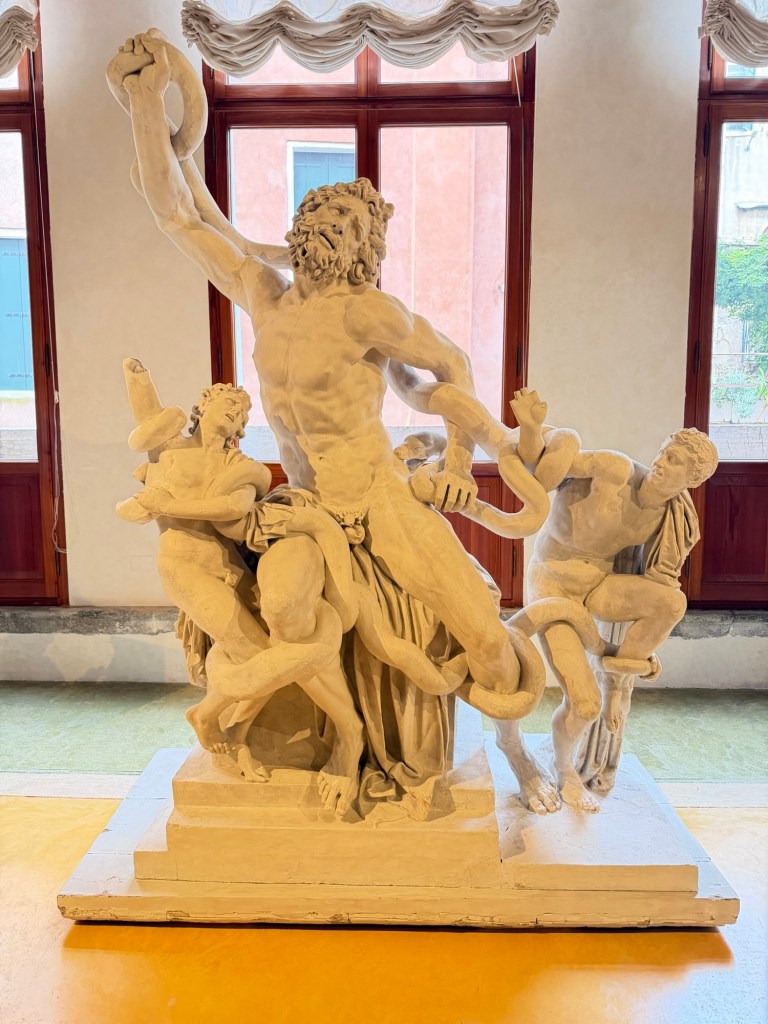
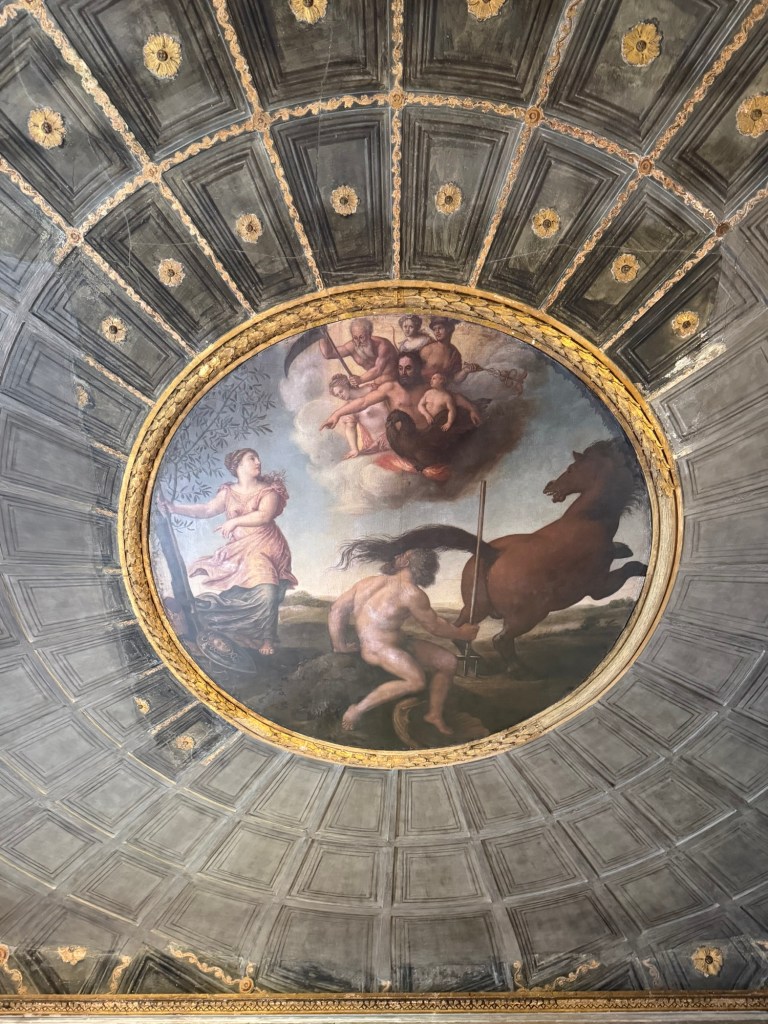
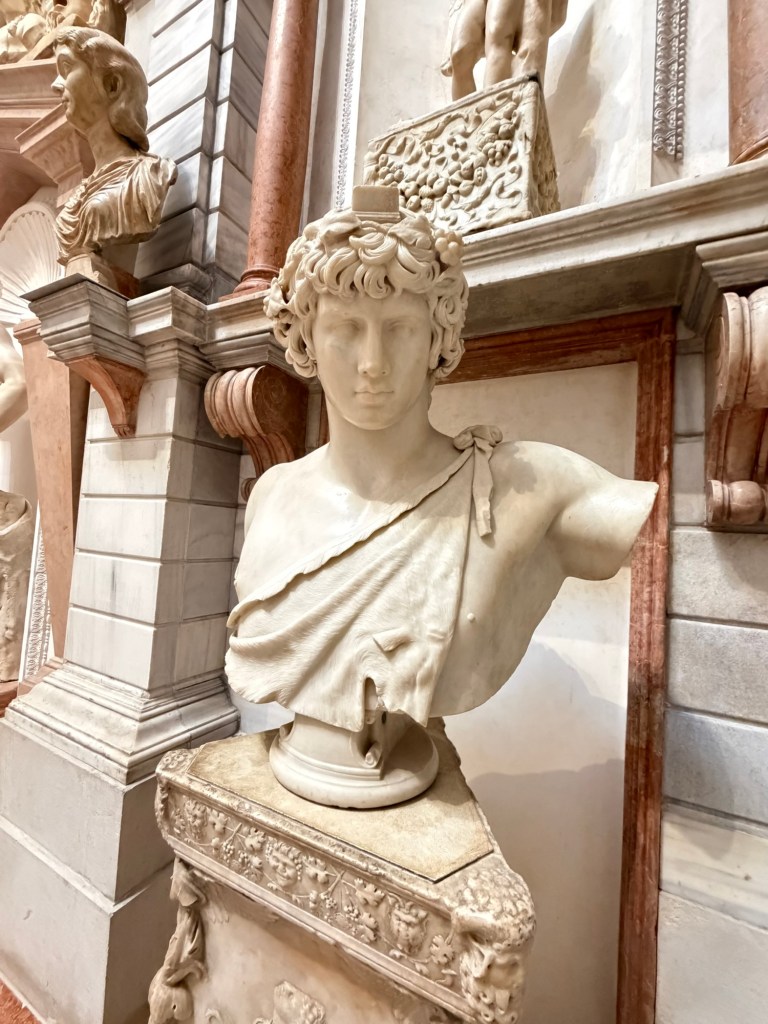
More to follow…so still waiting for my 8 pm tour so I can walked around more and took shots of beautiful things
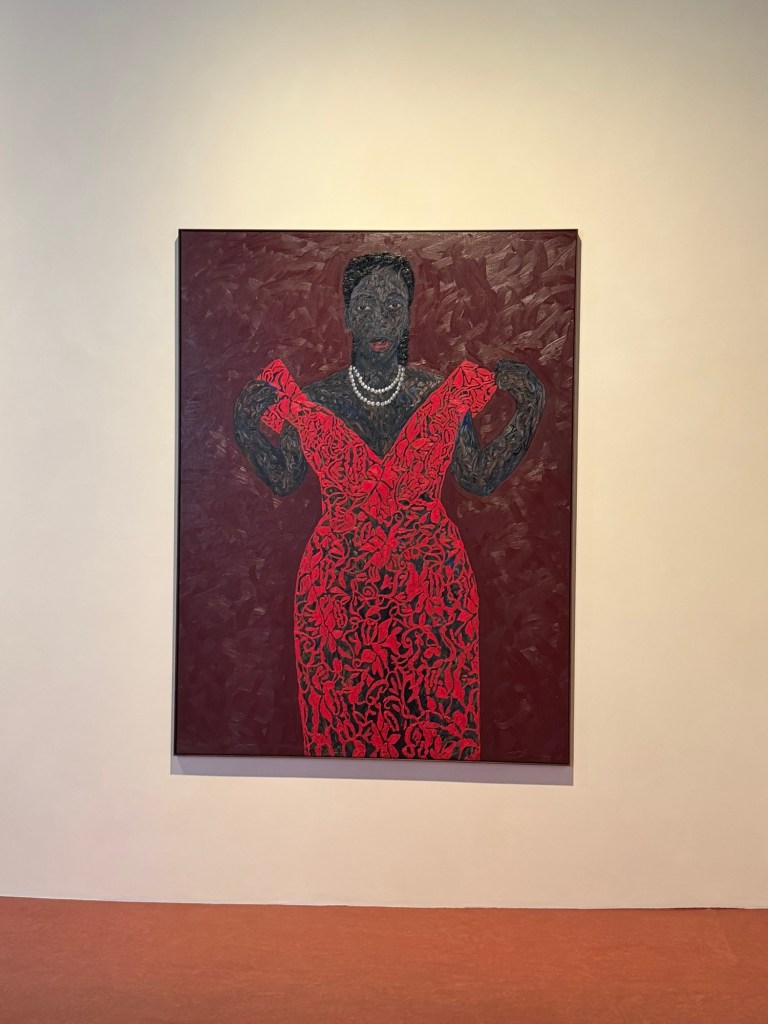
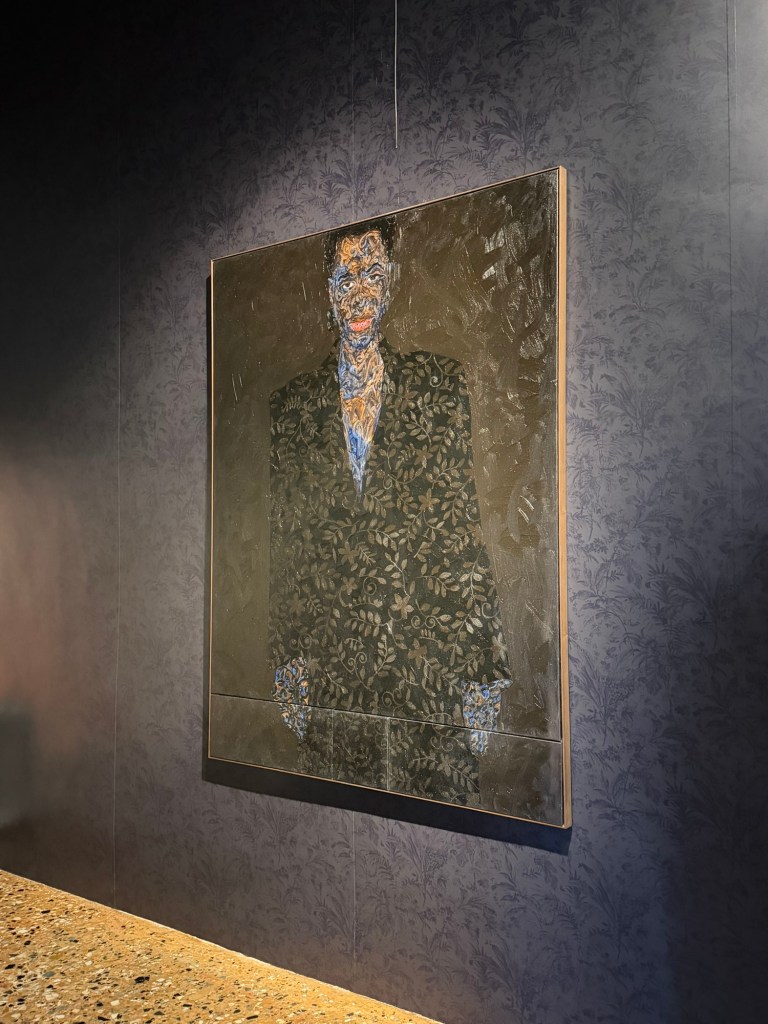
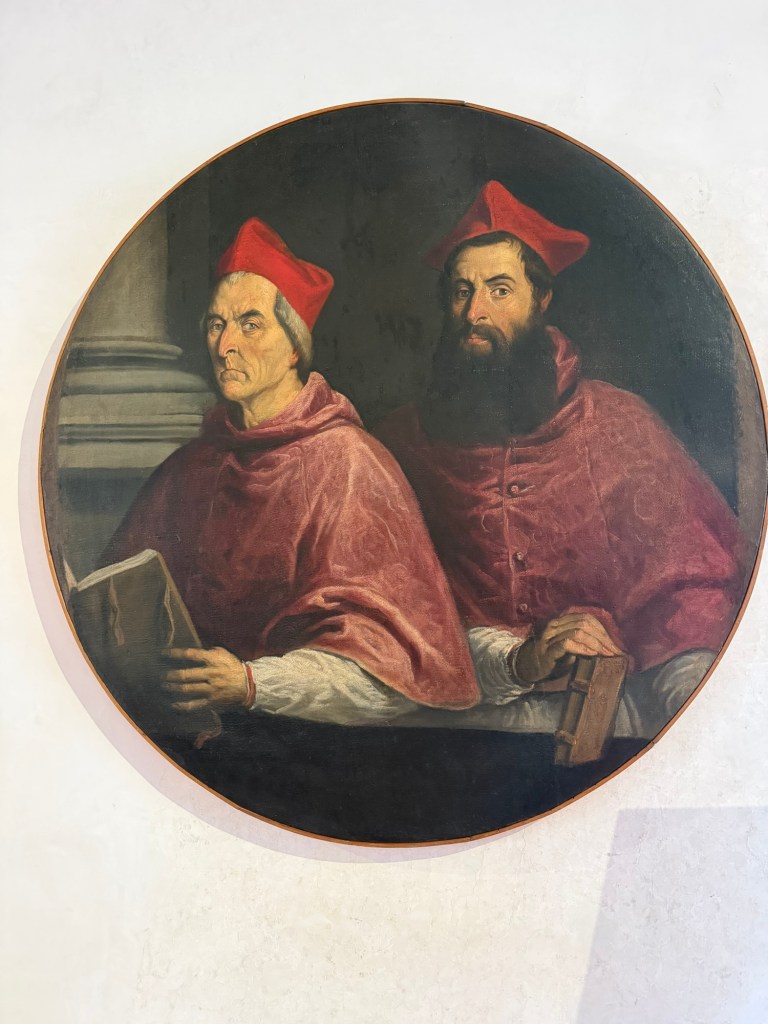
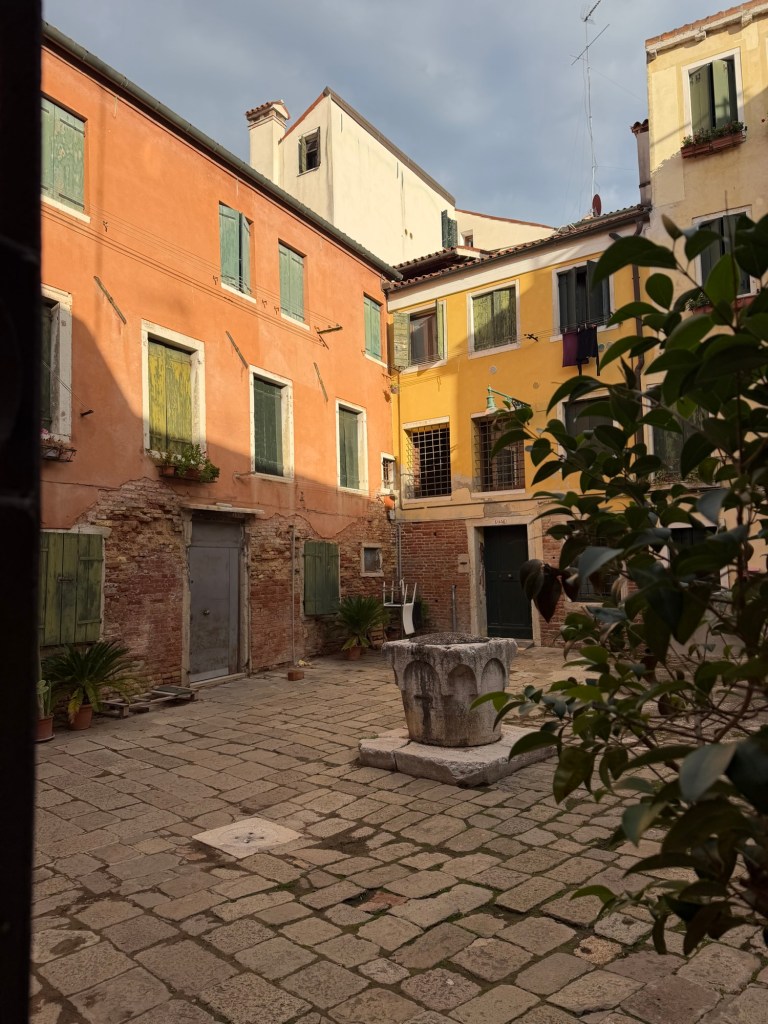
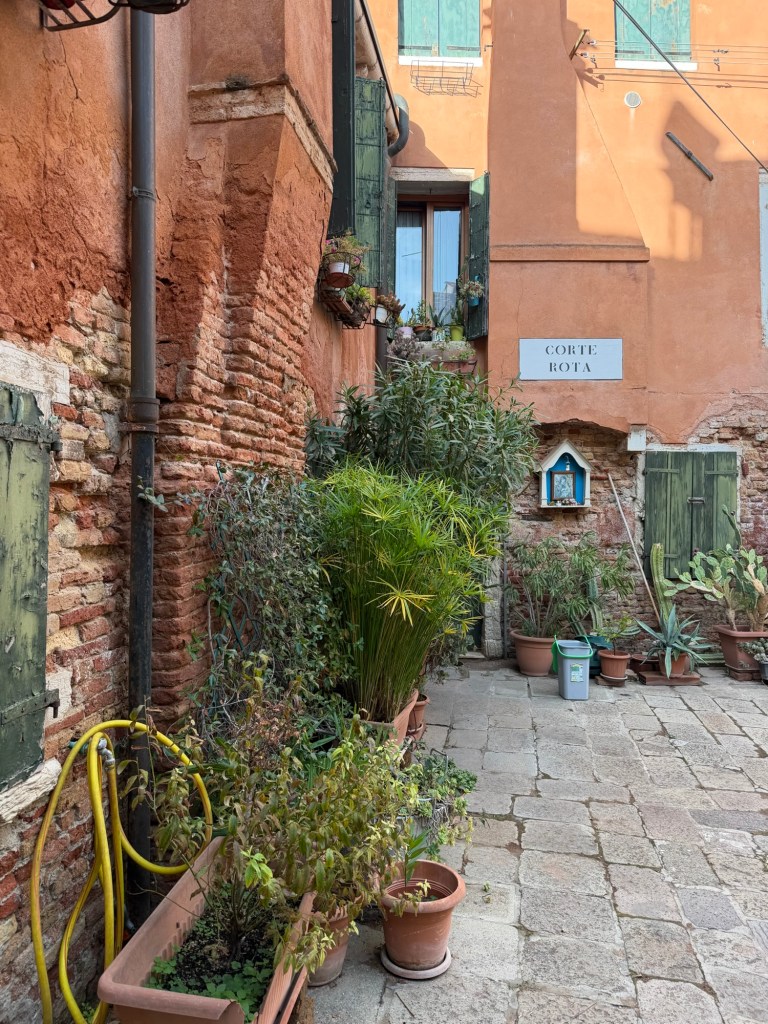
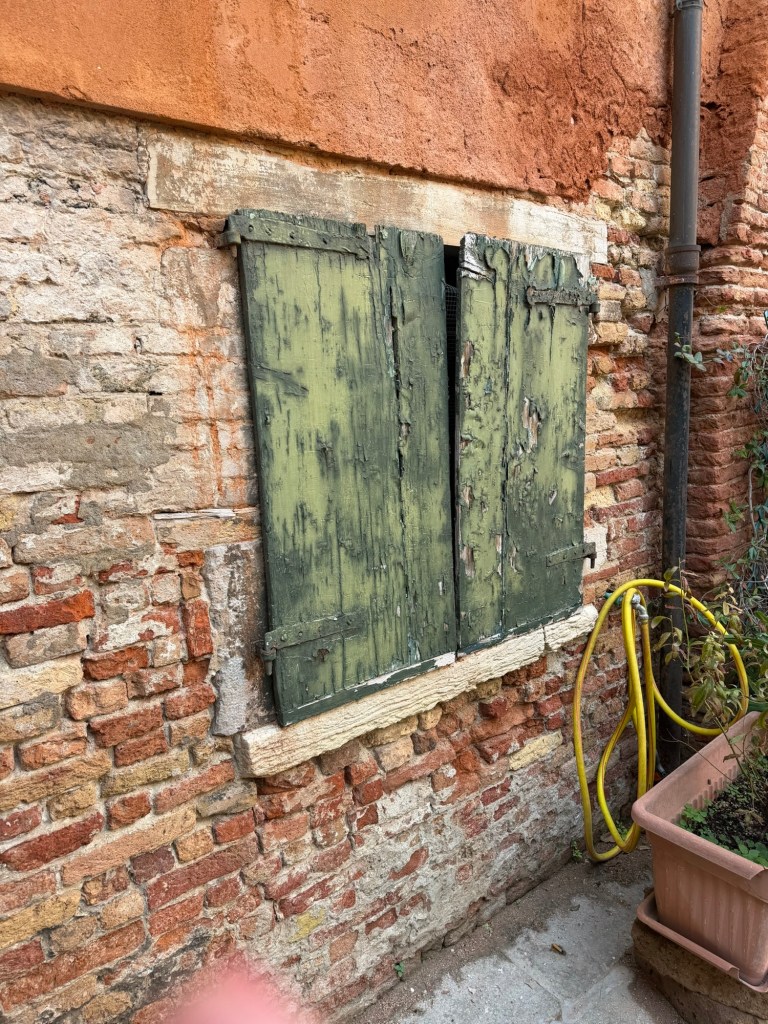
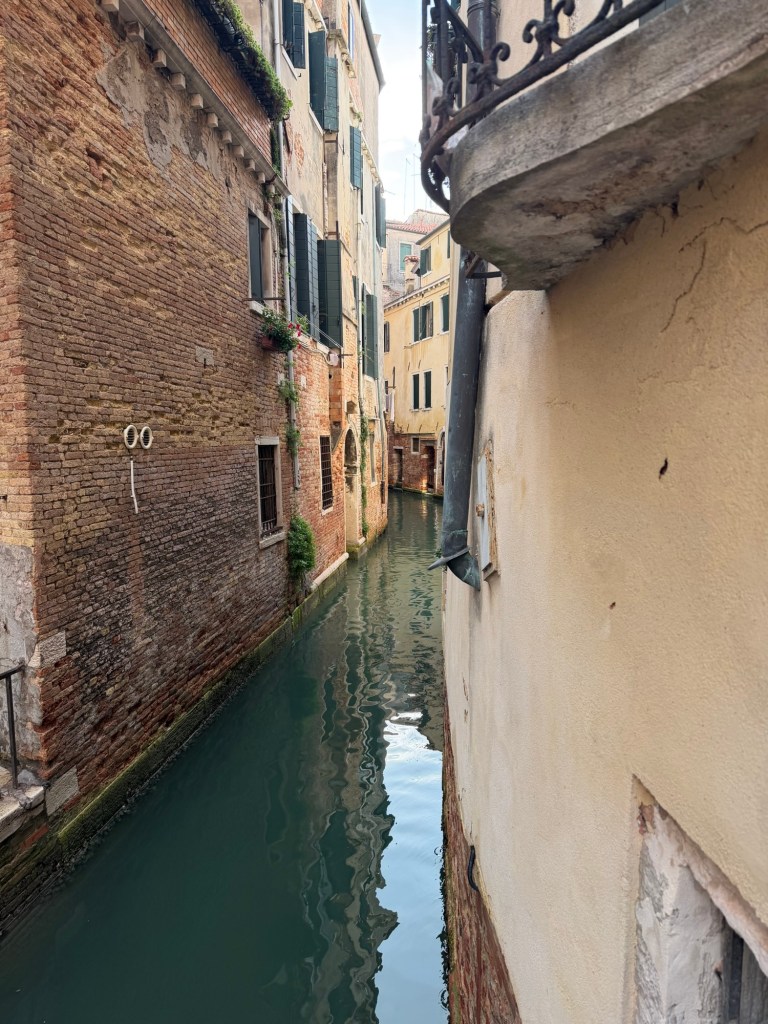
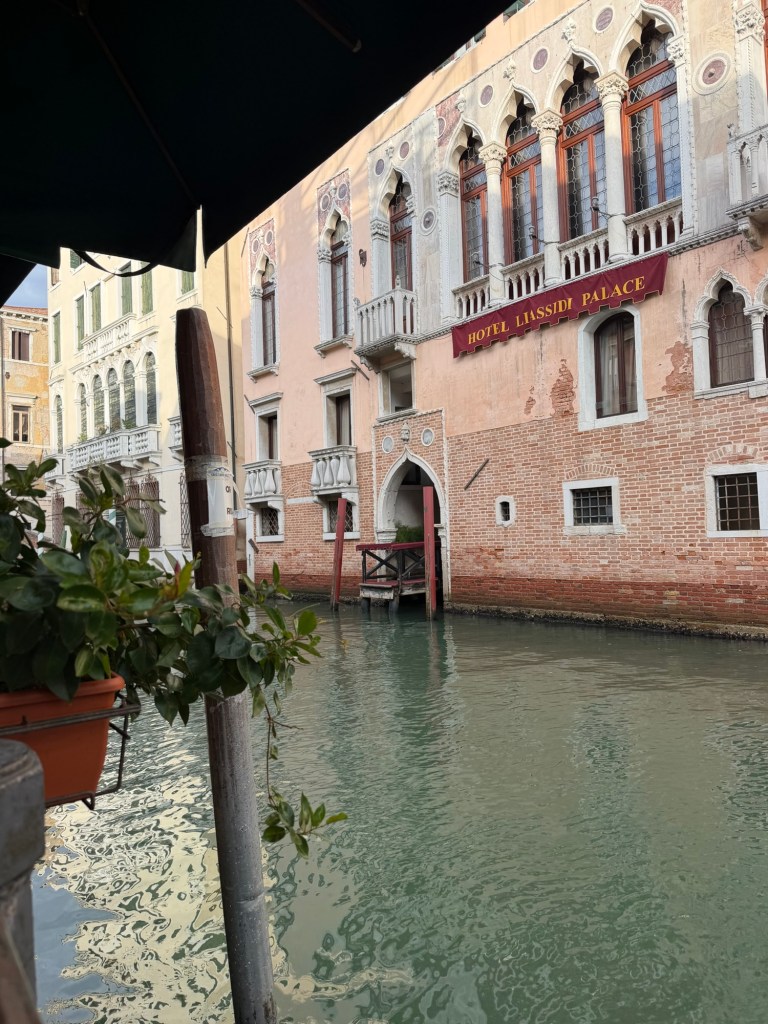
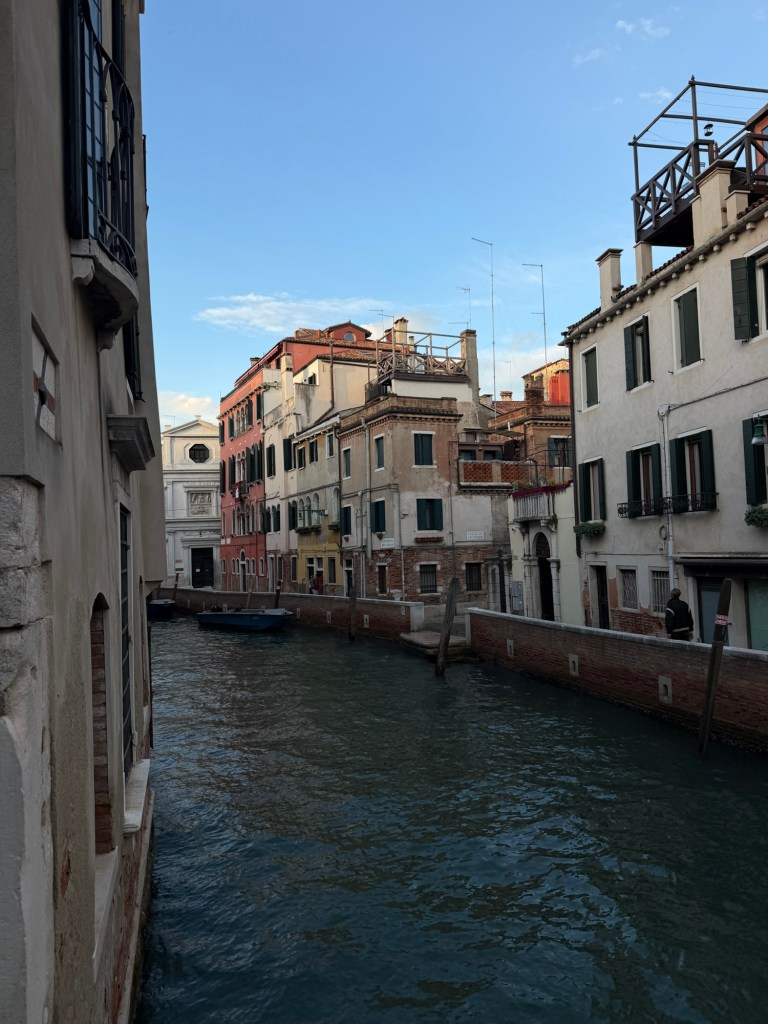
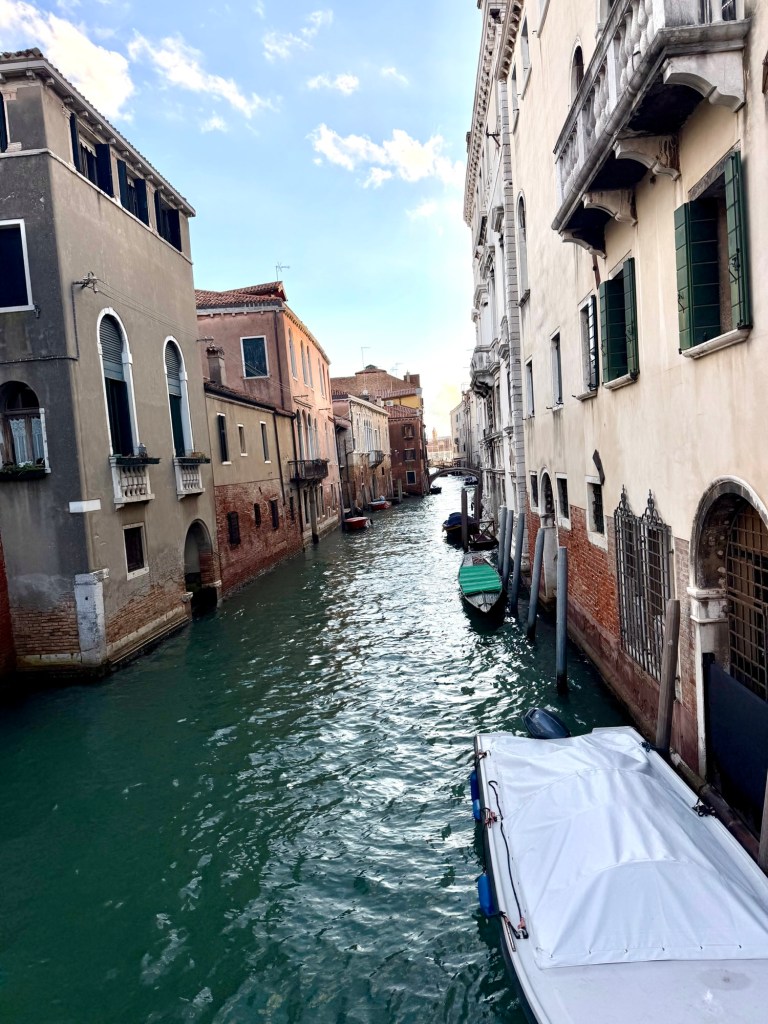
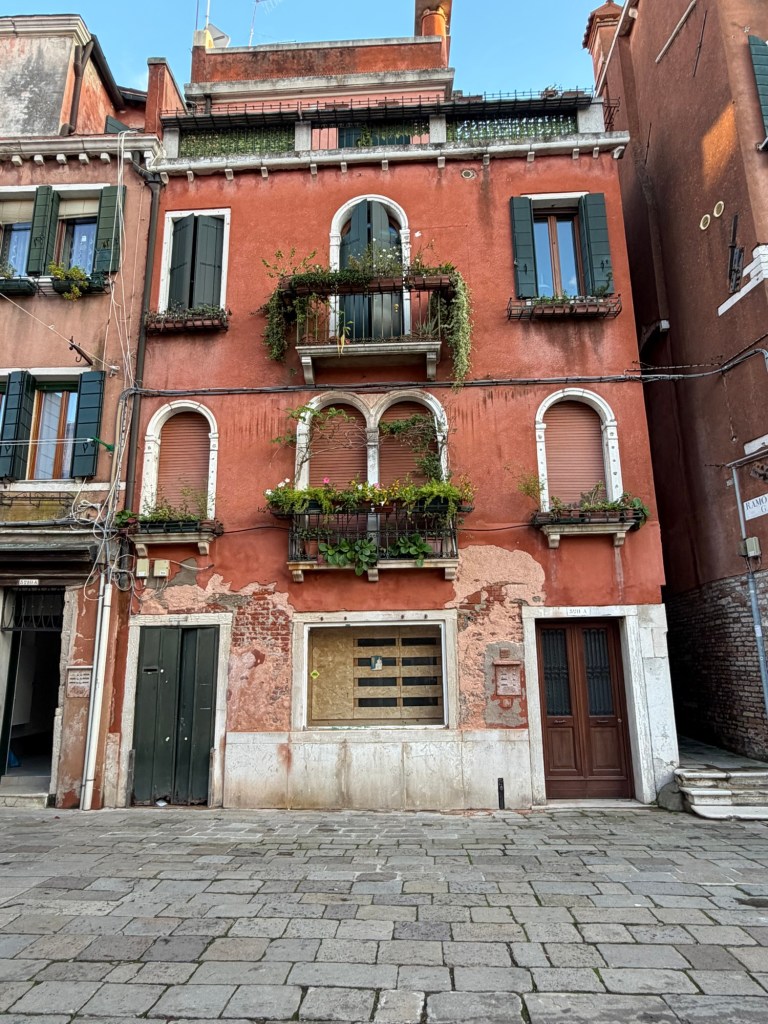
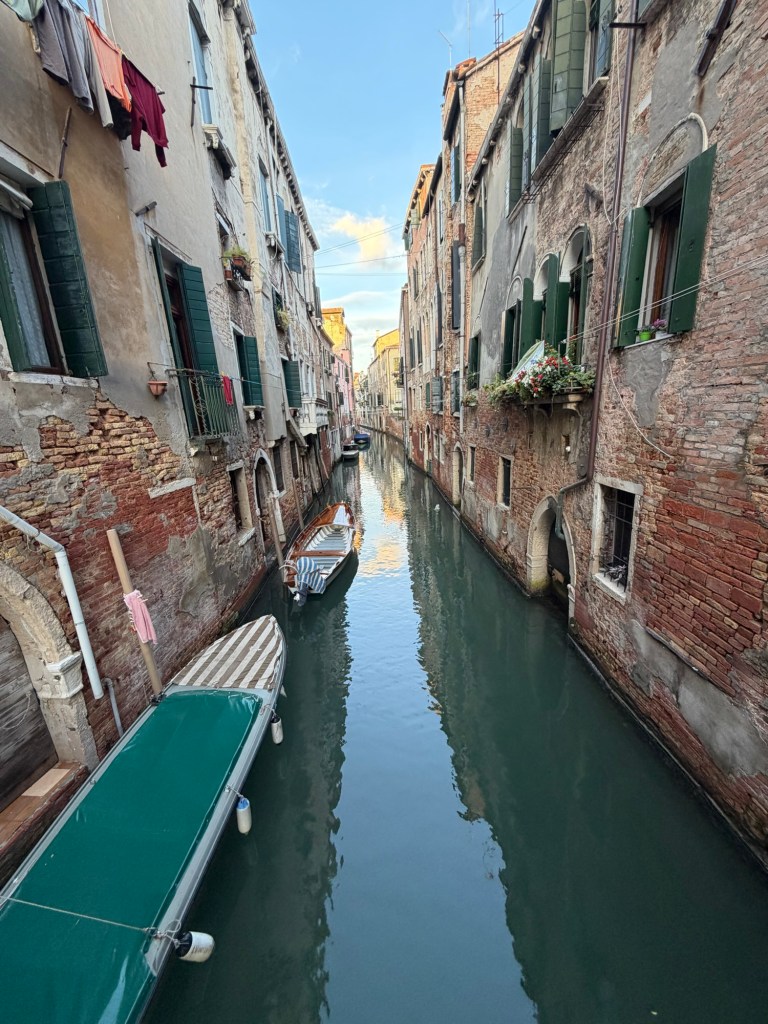
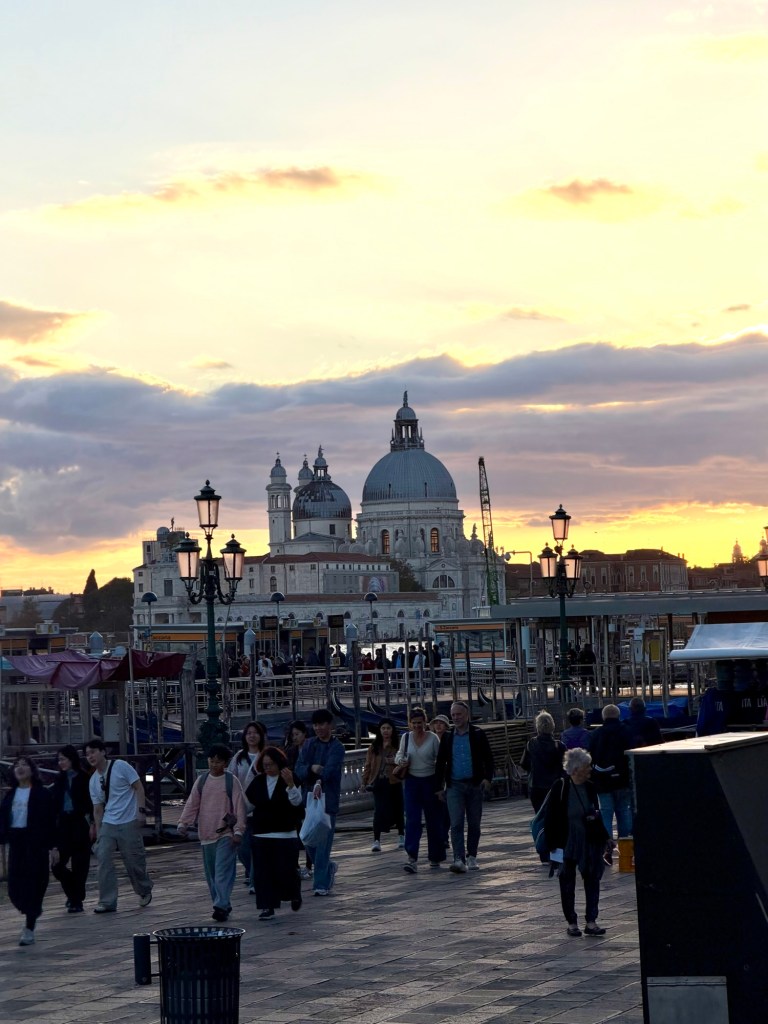
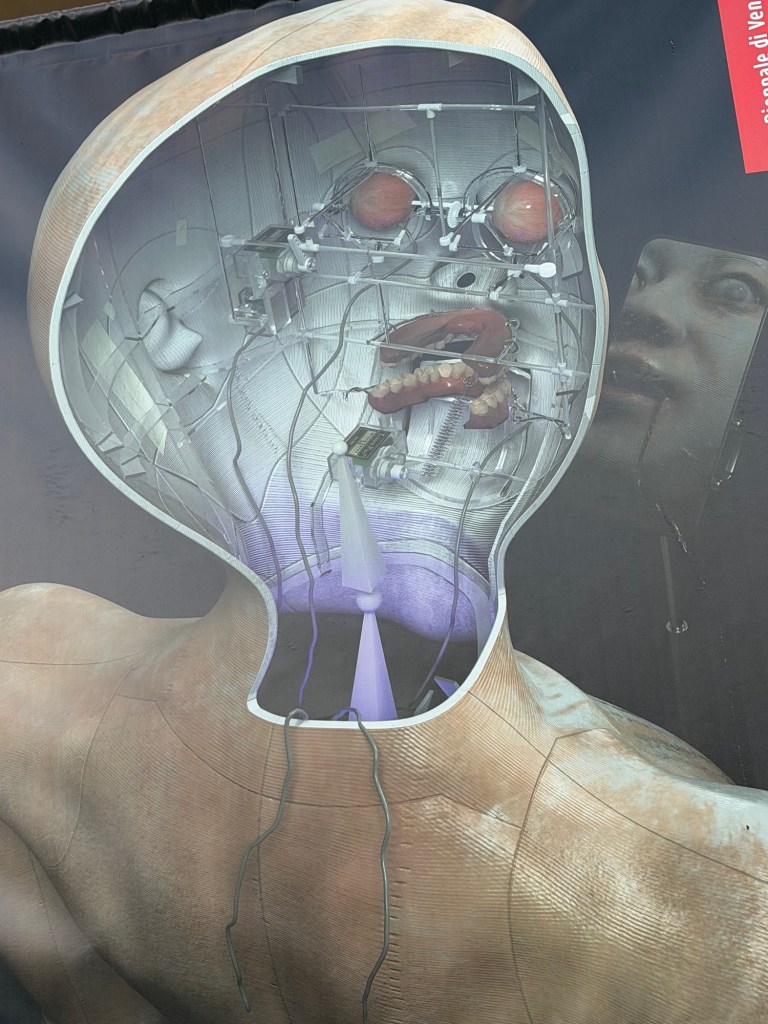
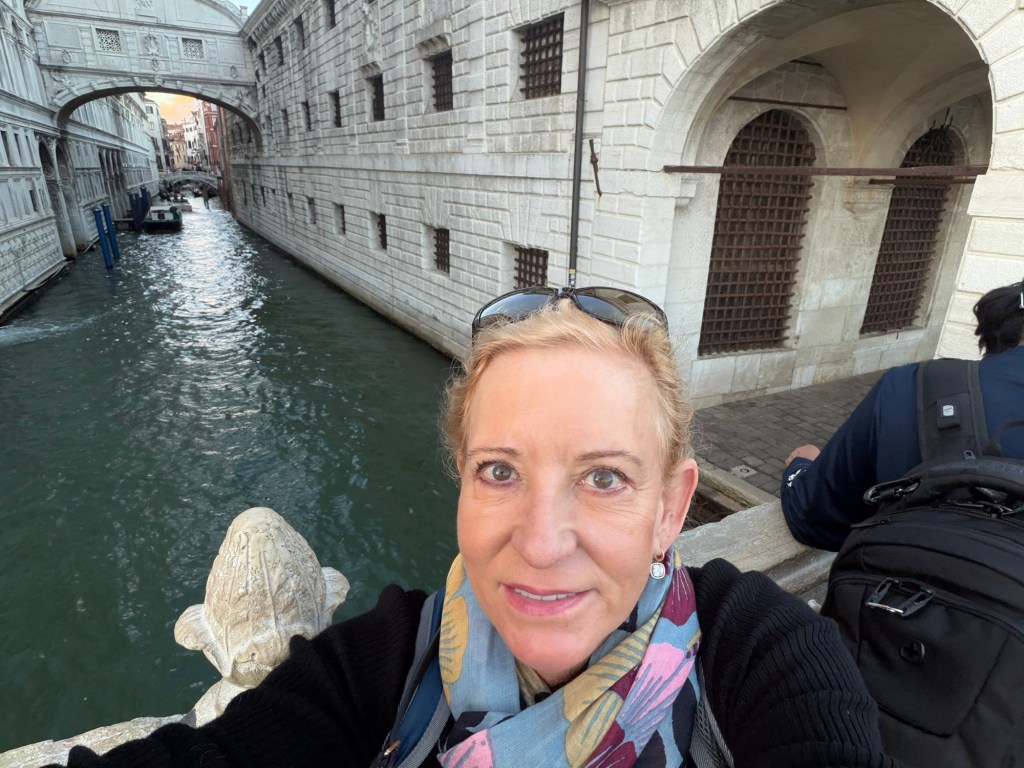
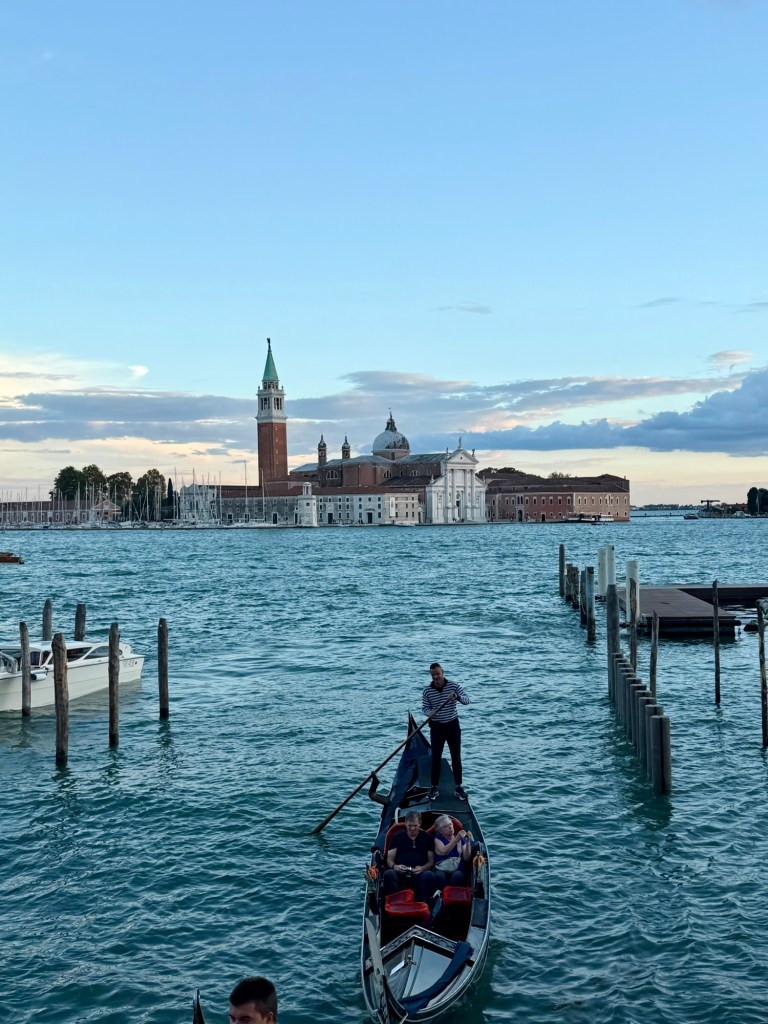
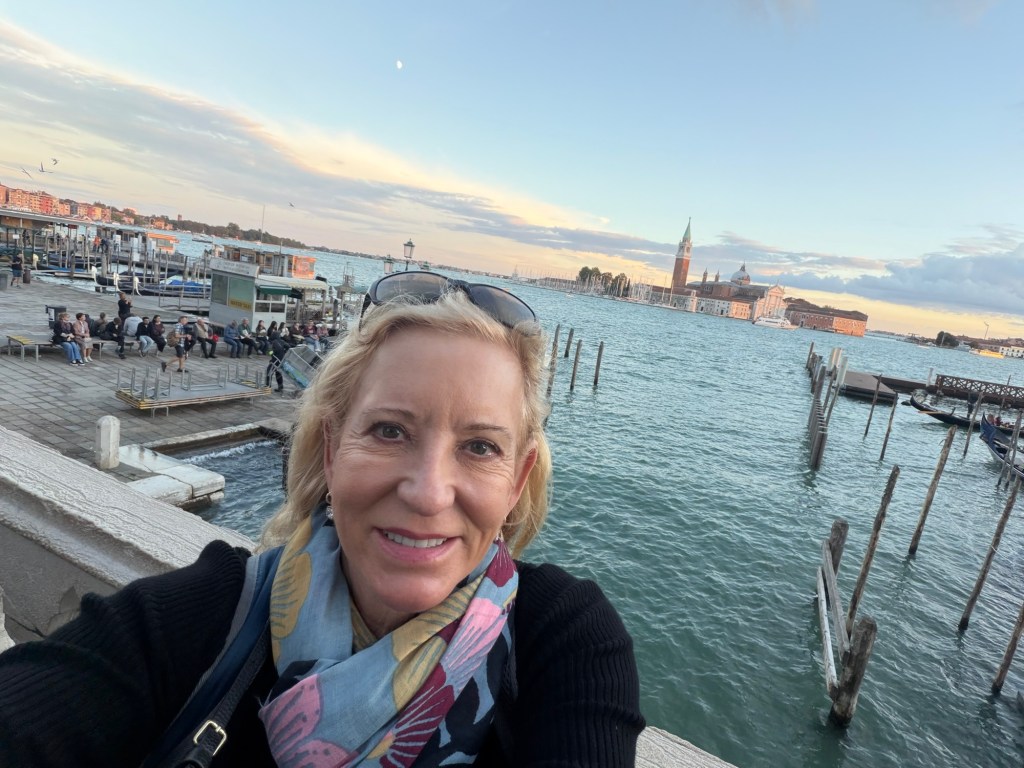
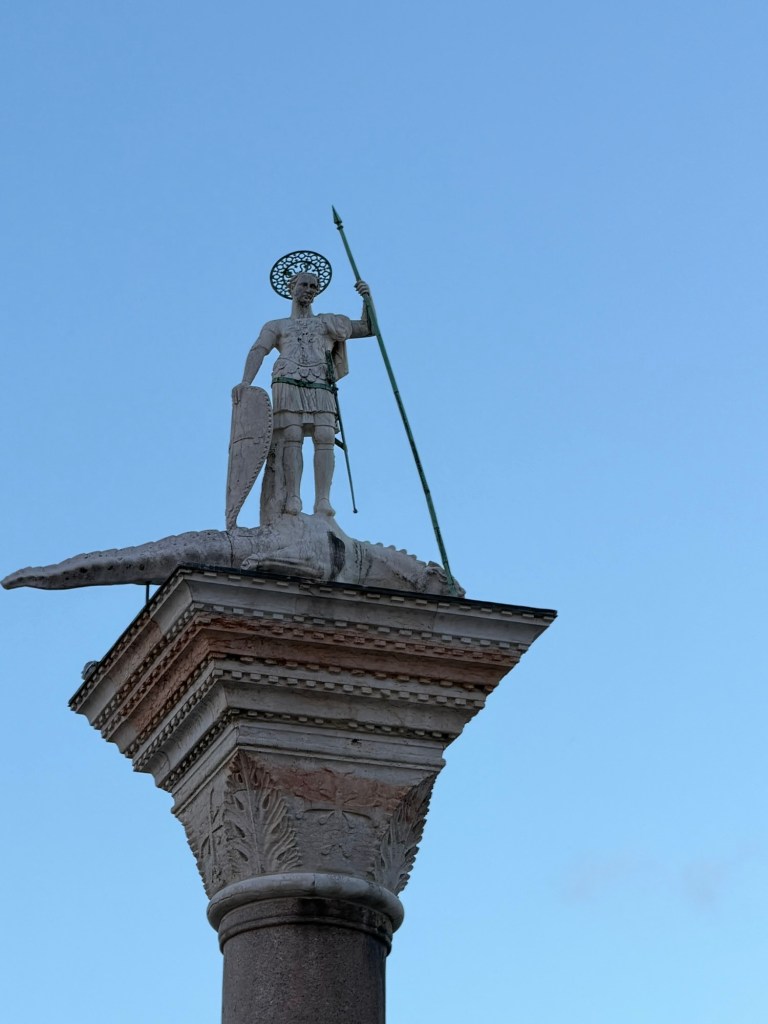
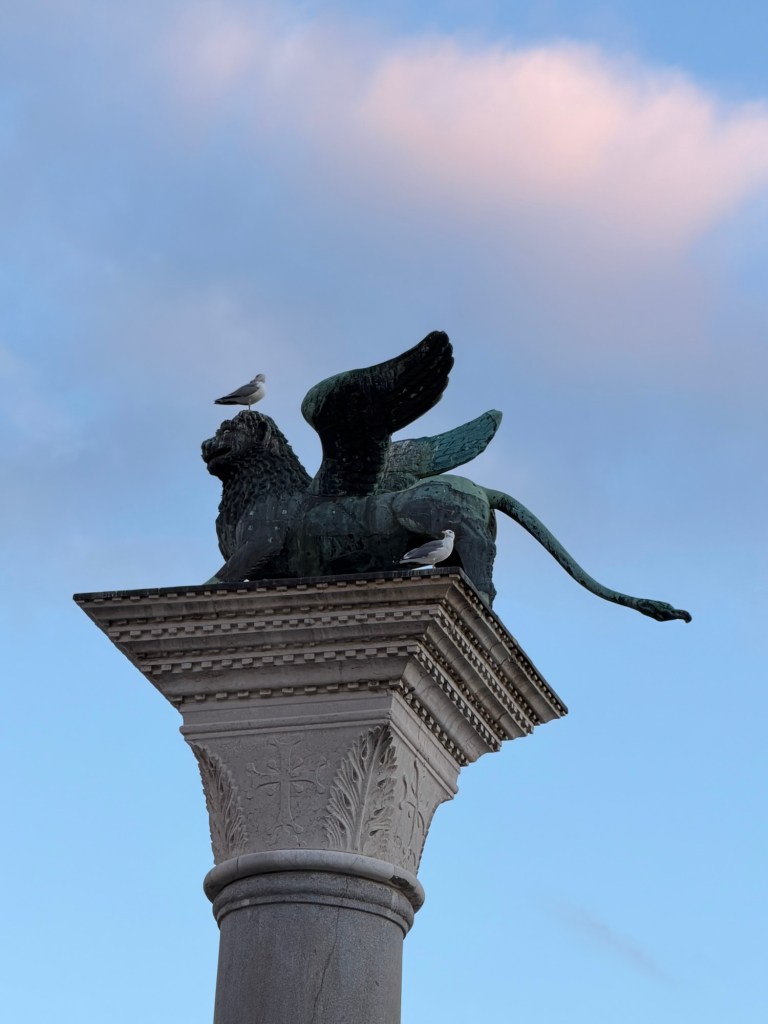
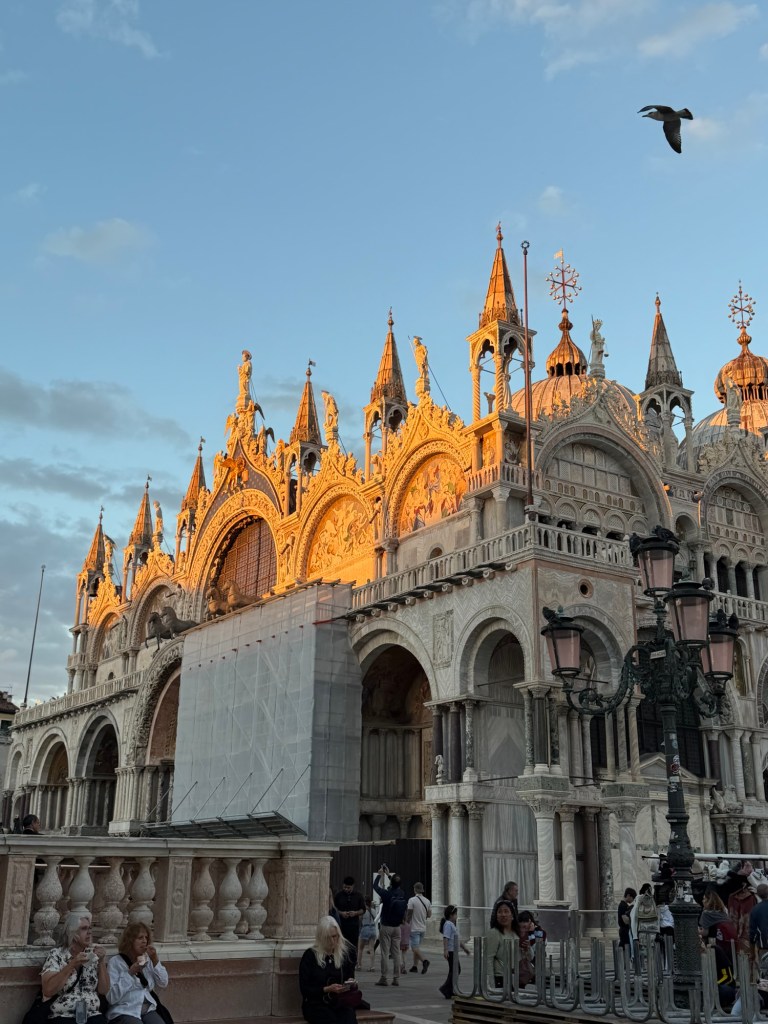
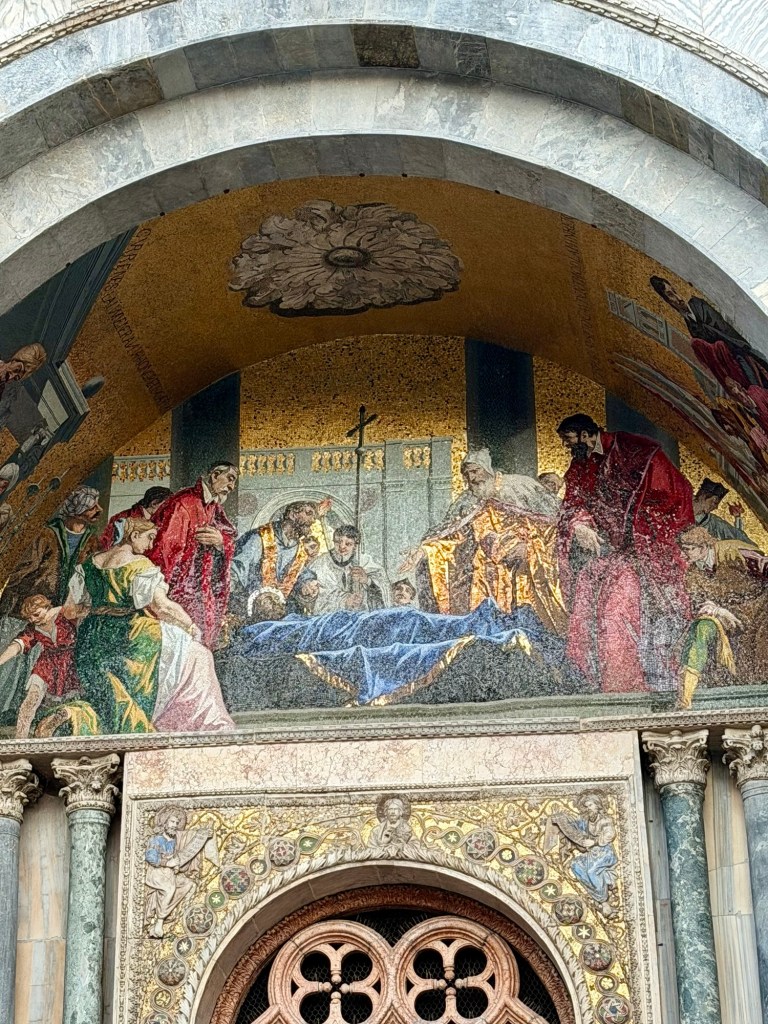
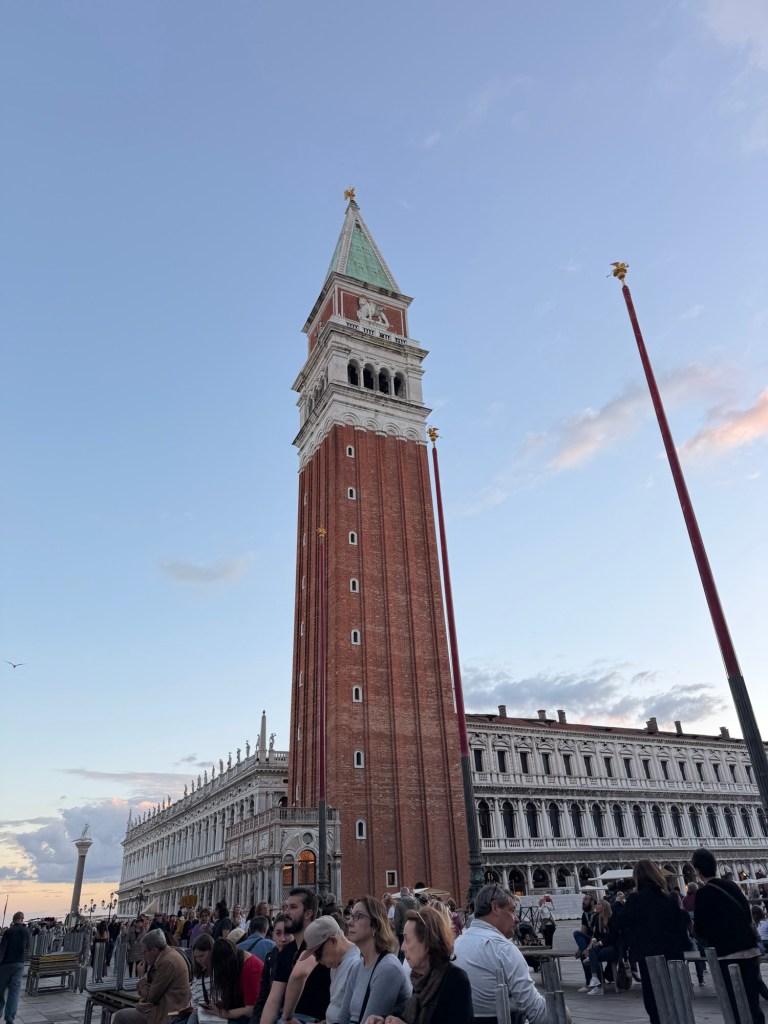
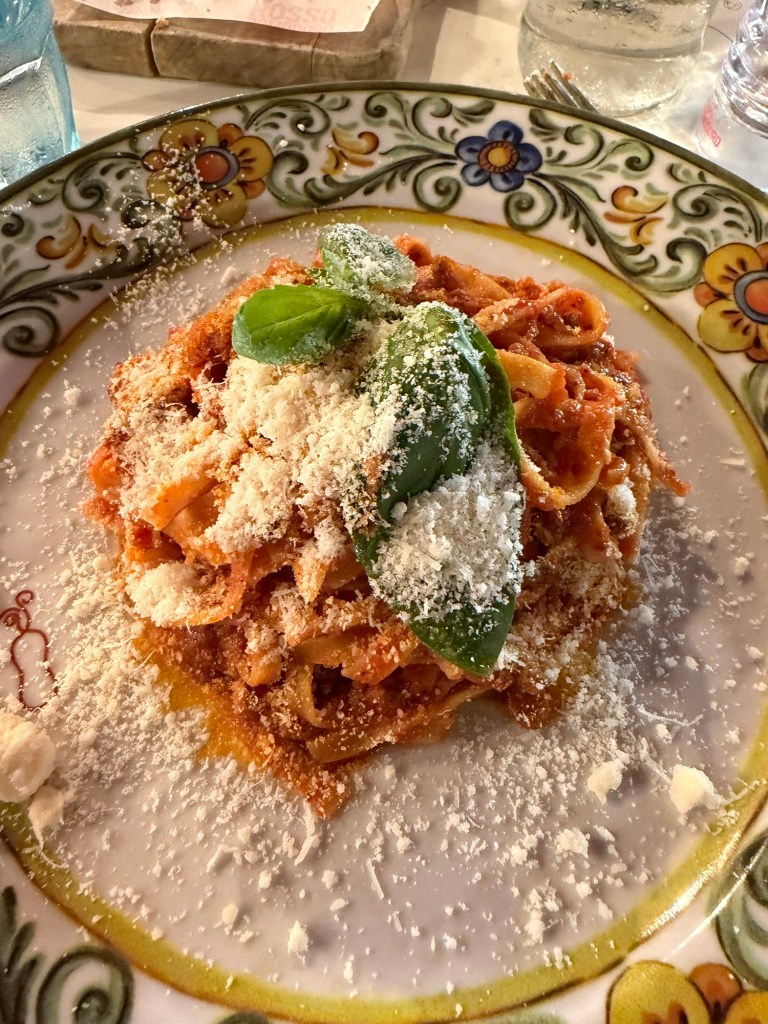
Looking for food before my St Marks night time tour. I never take tours!
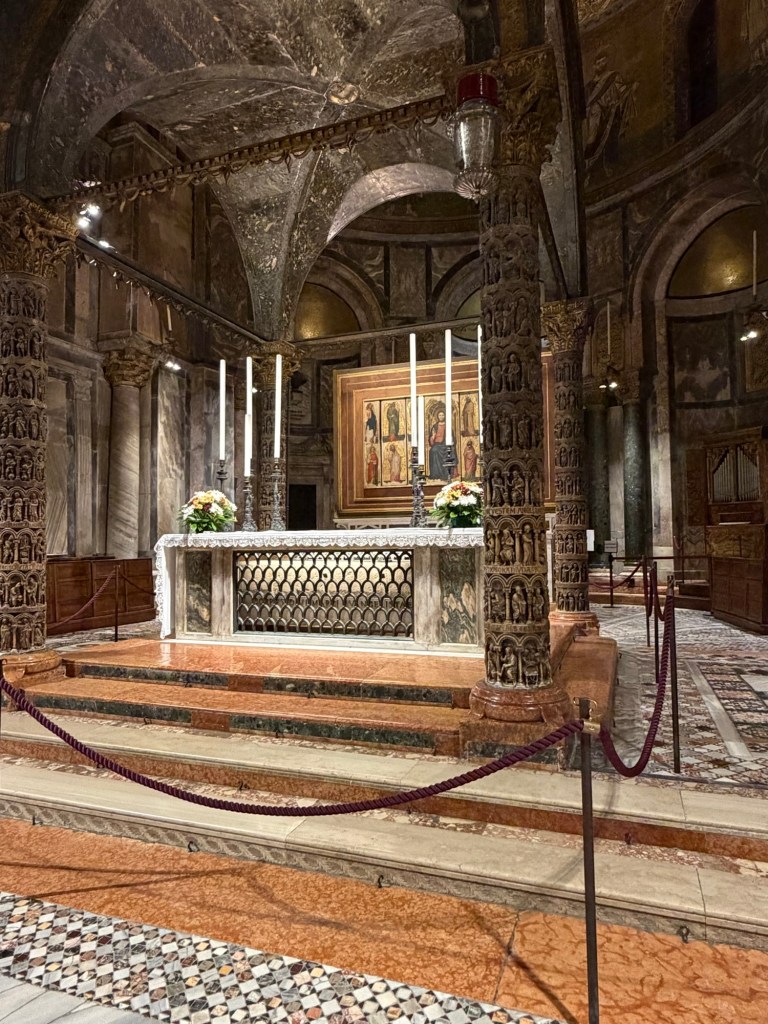
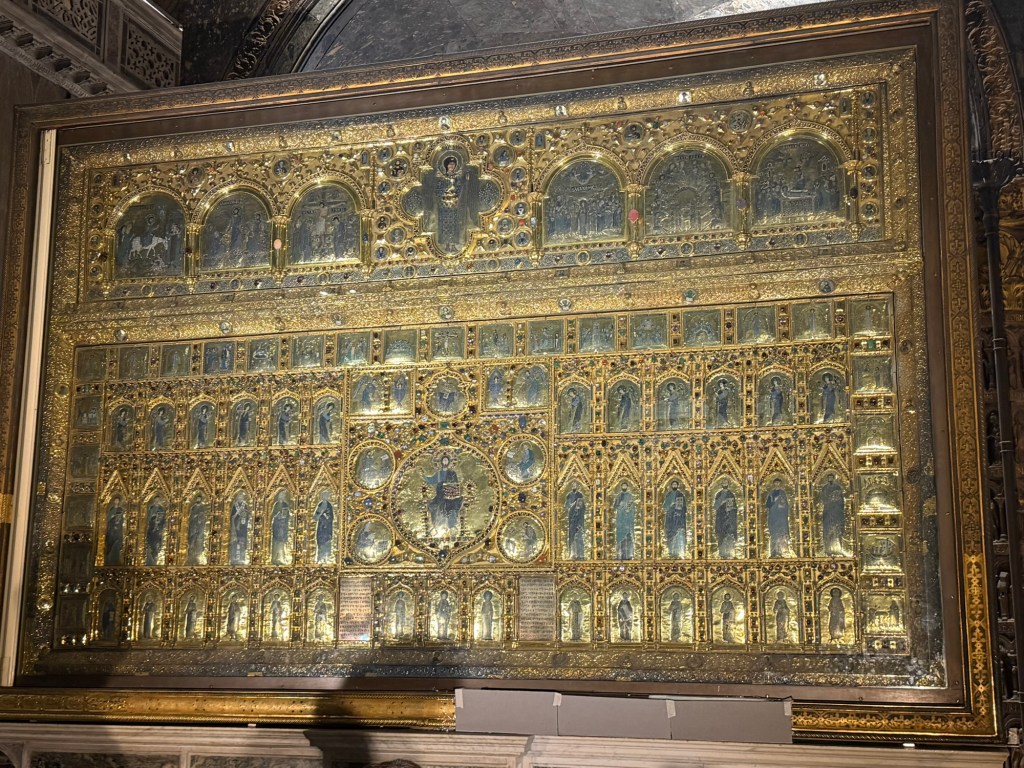
This tour was amazing! So much history about St. Marks’s Basilica. St Marks was an evangelist. When he dies his remains went to Alexandria. Venetian’s went to Egypt and stole his remains and the church was built. Later I heard they gave a body part back. Not sure which one.
Such incredible wealth and beauty
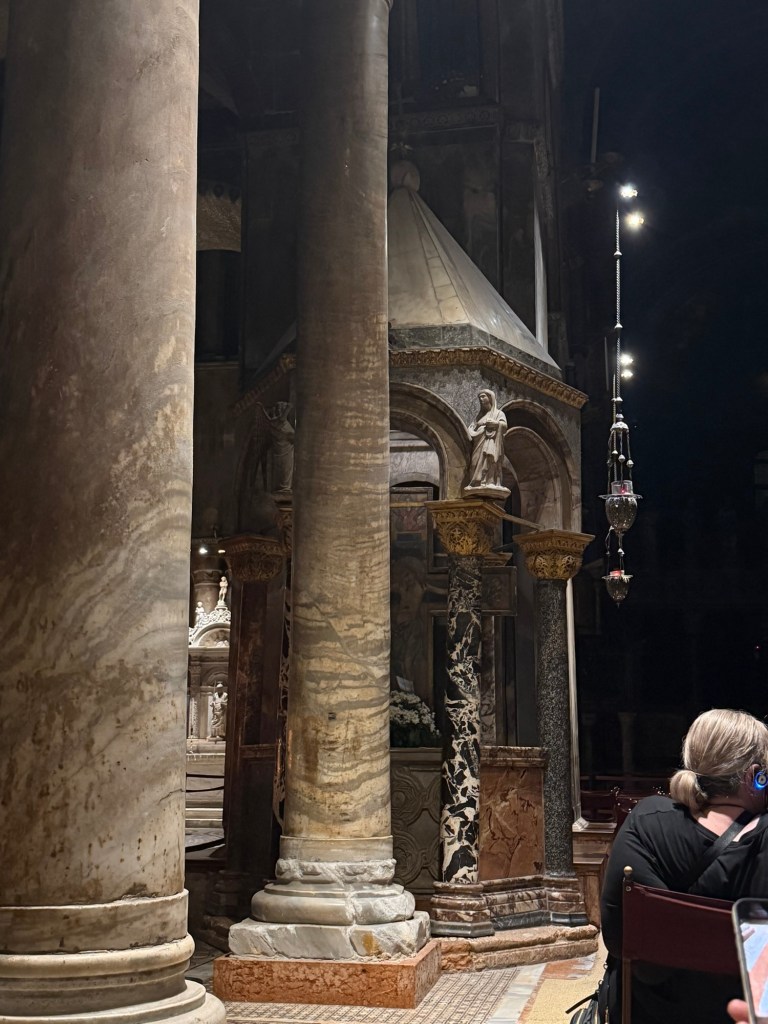
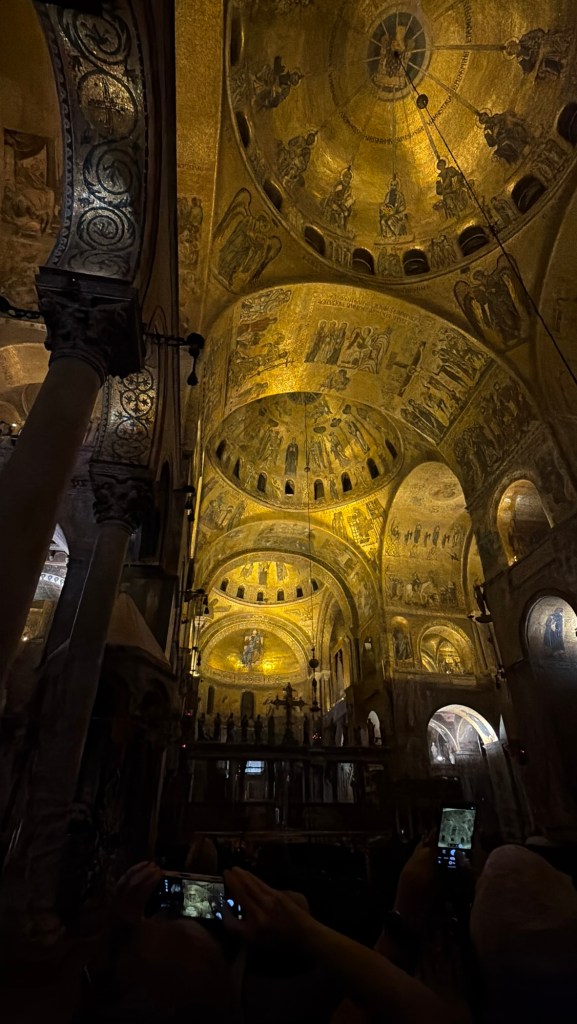
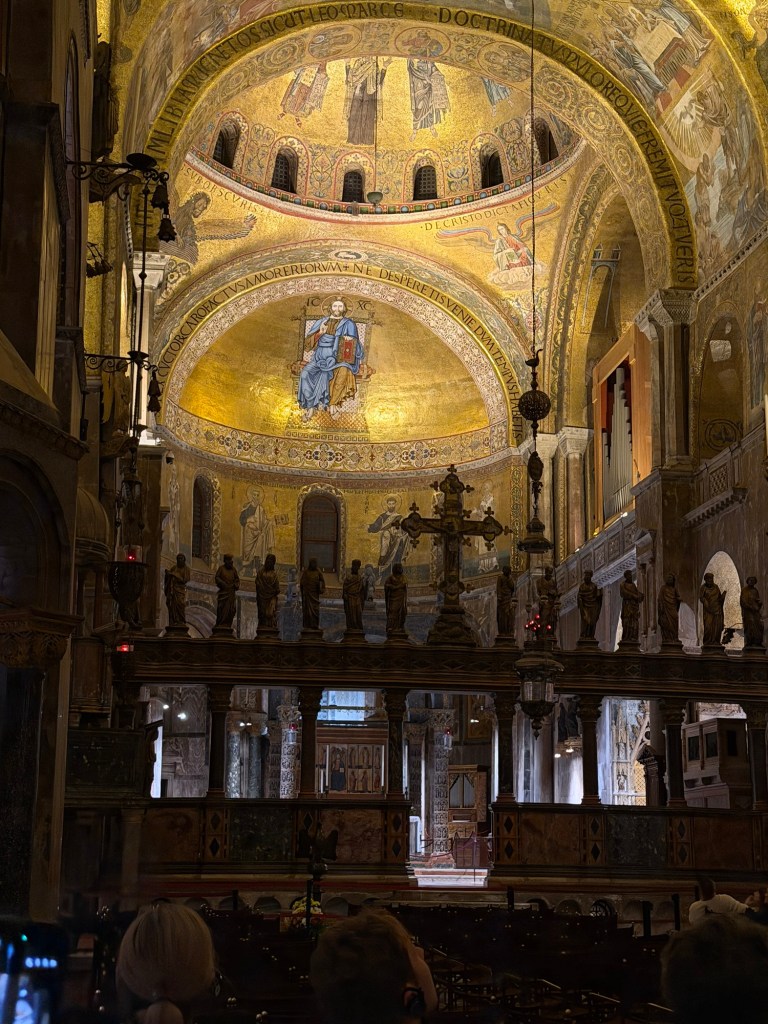
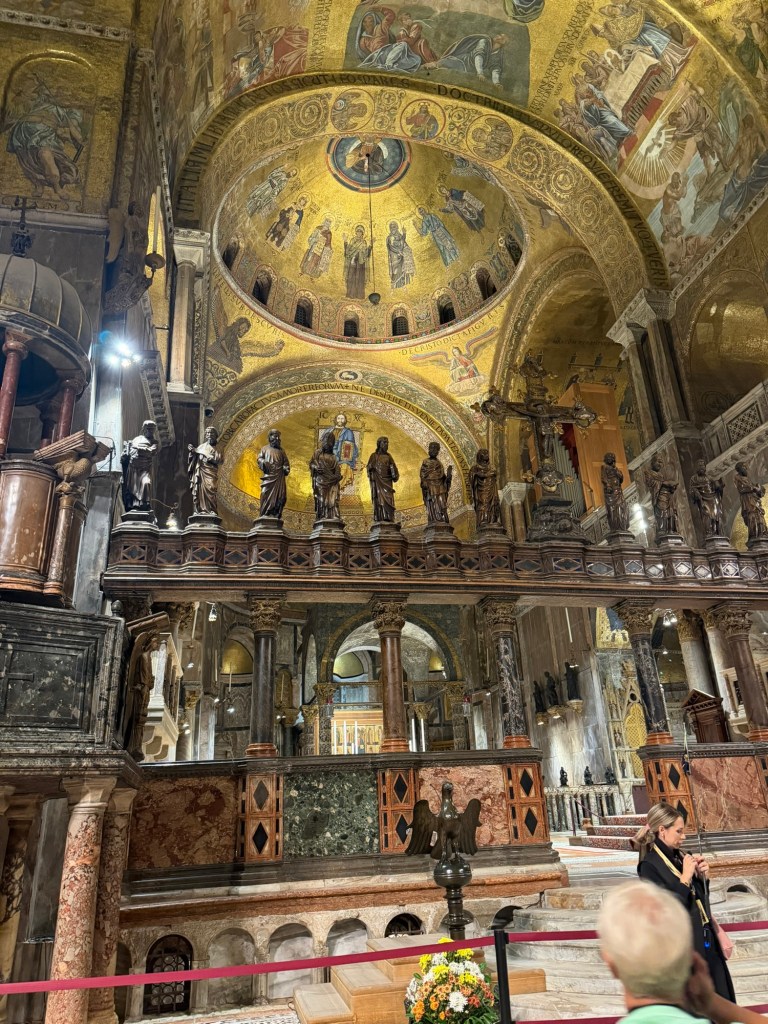
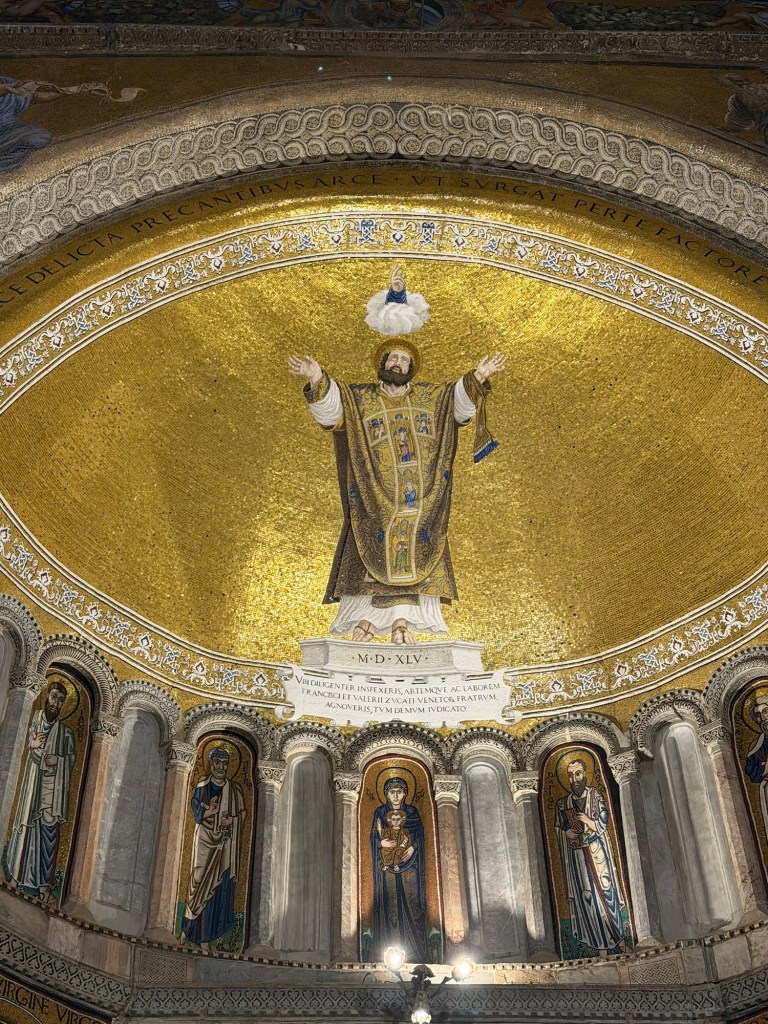
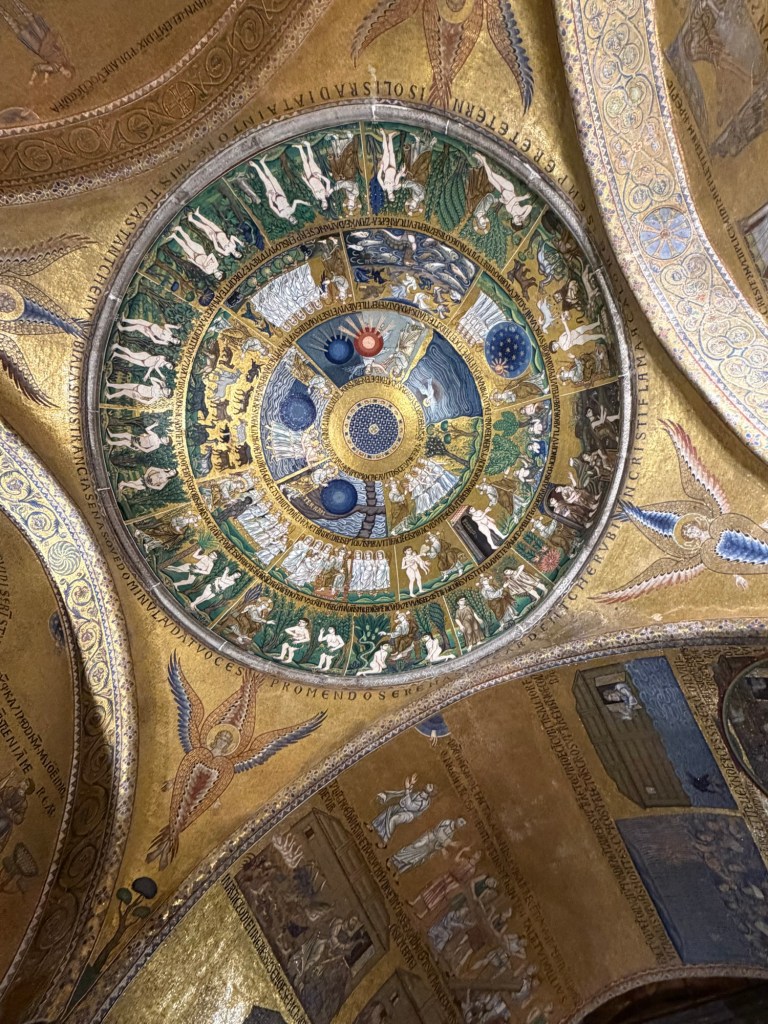
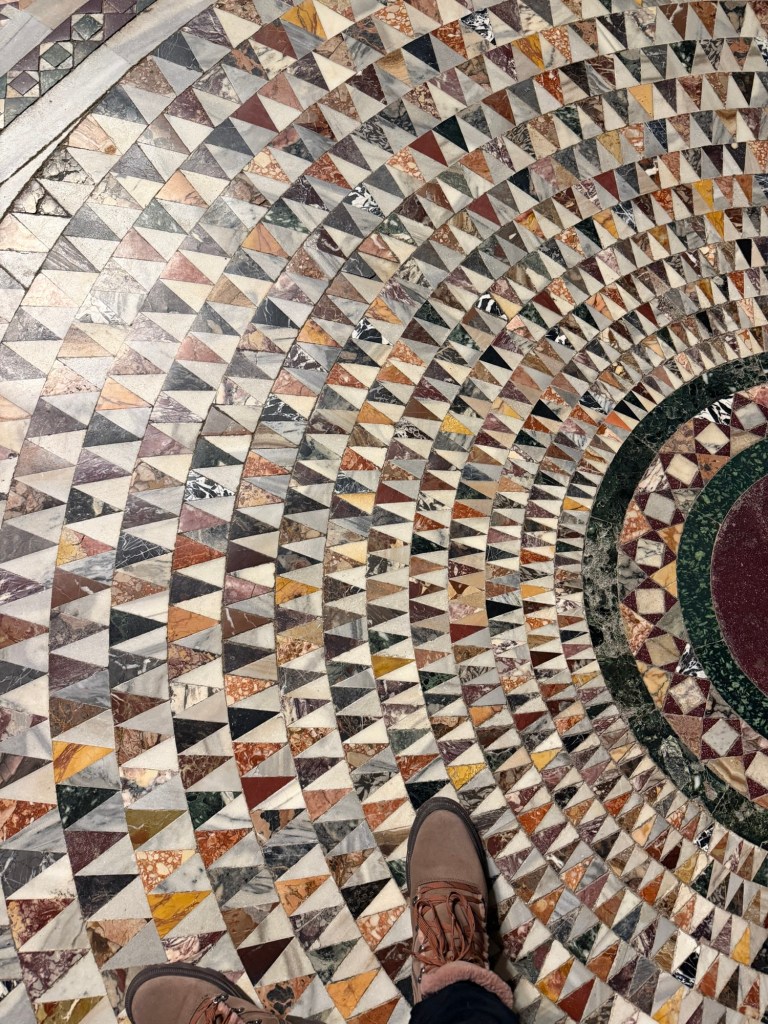
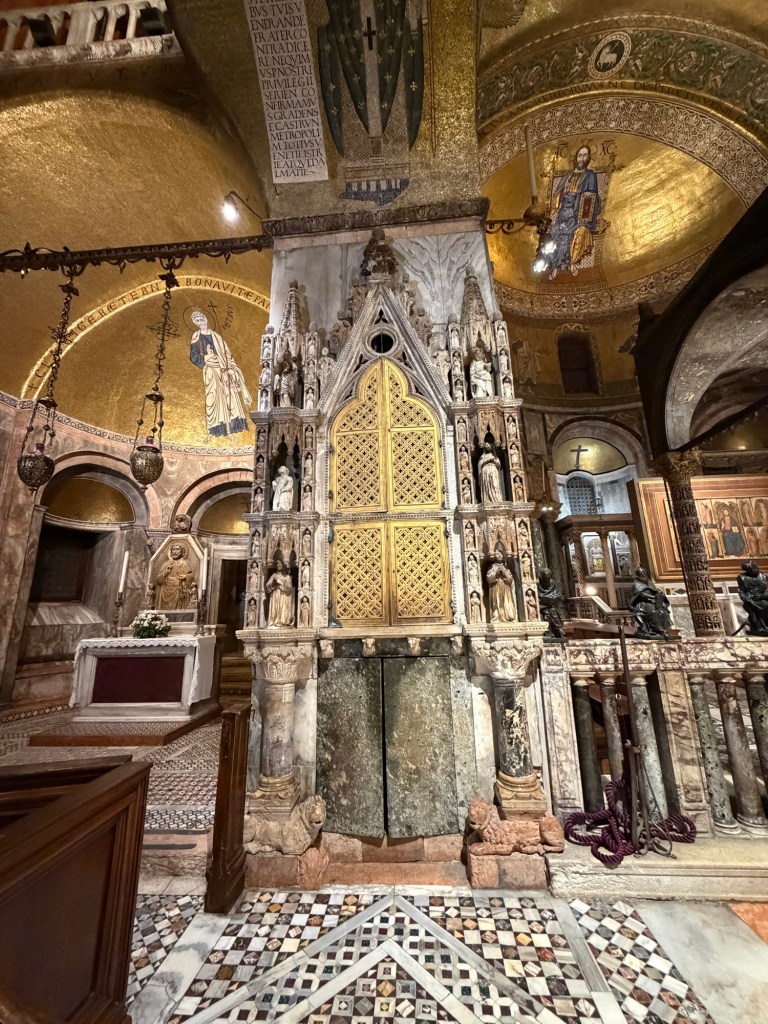
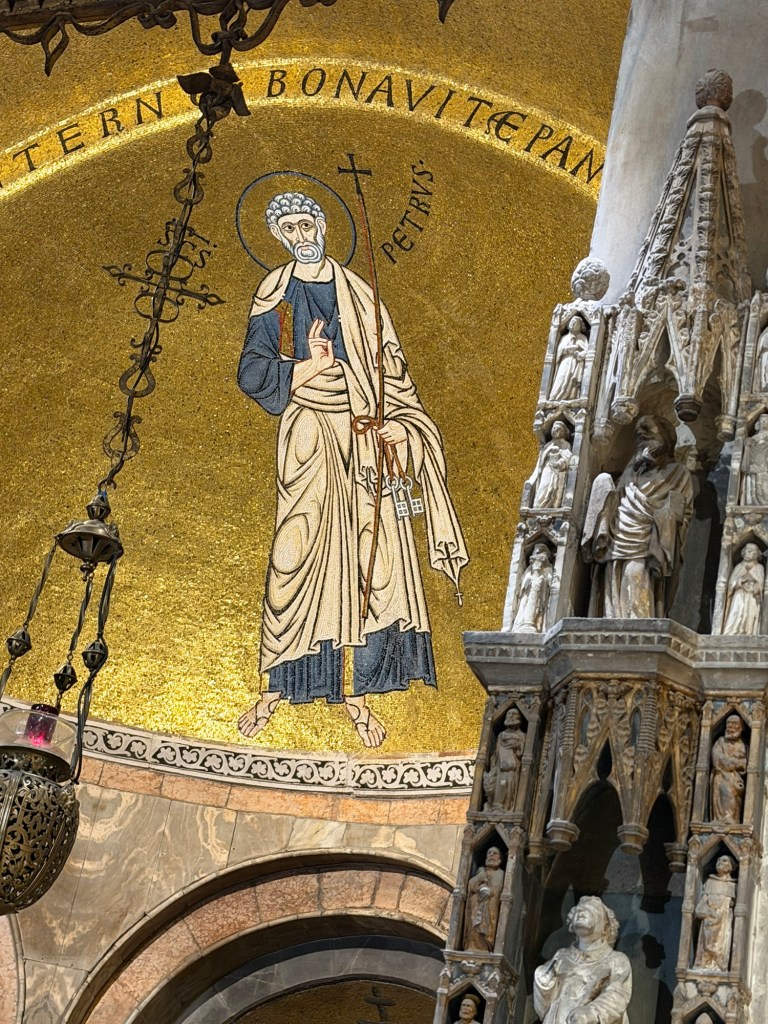
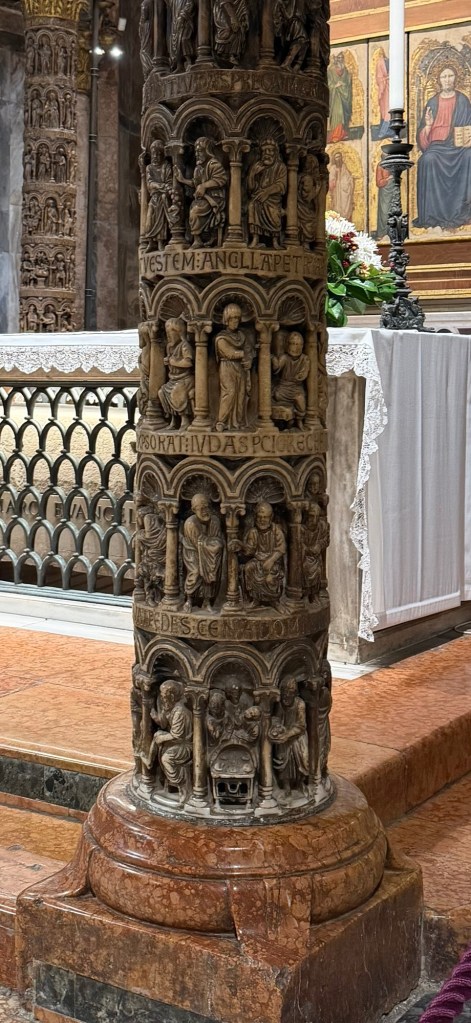
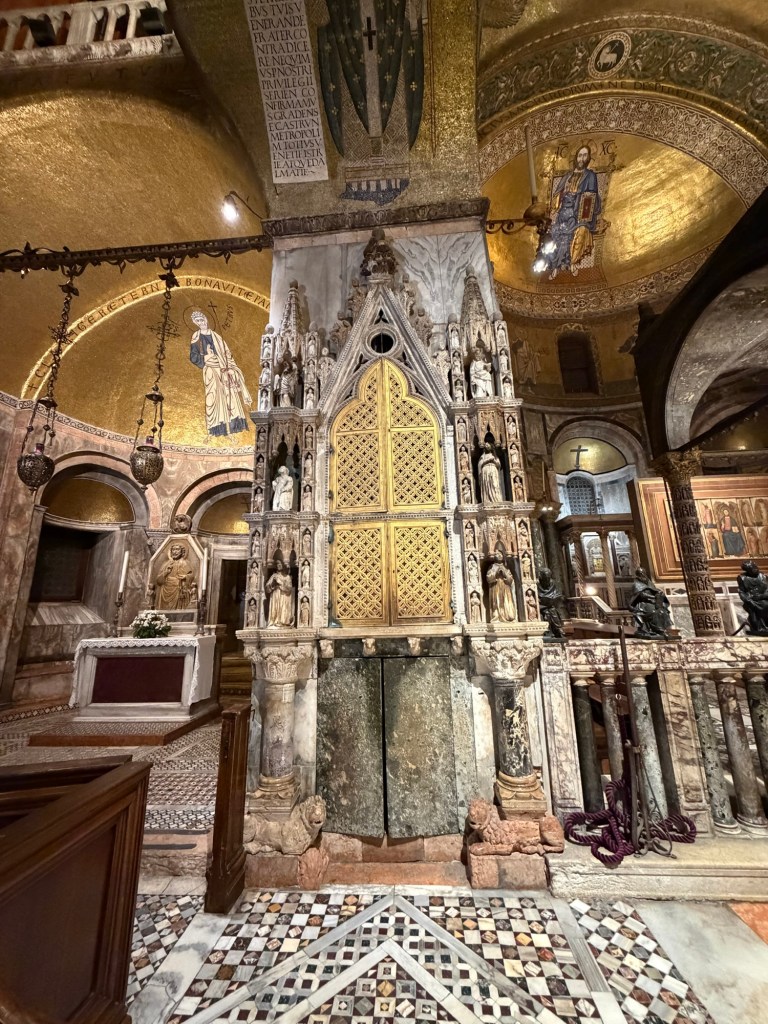
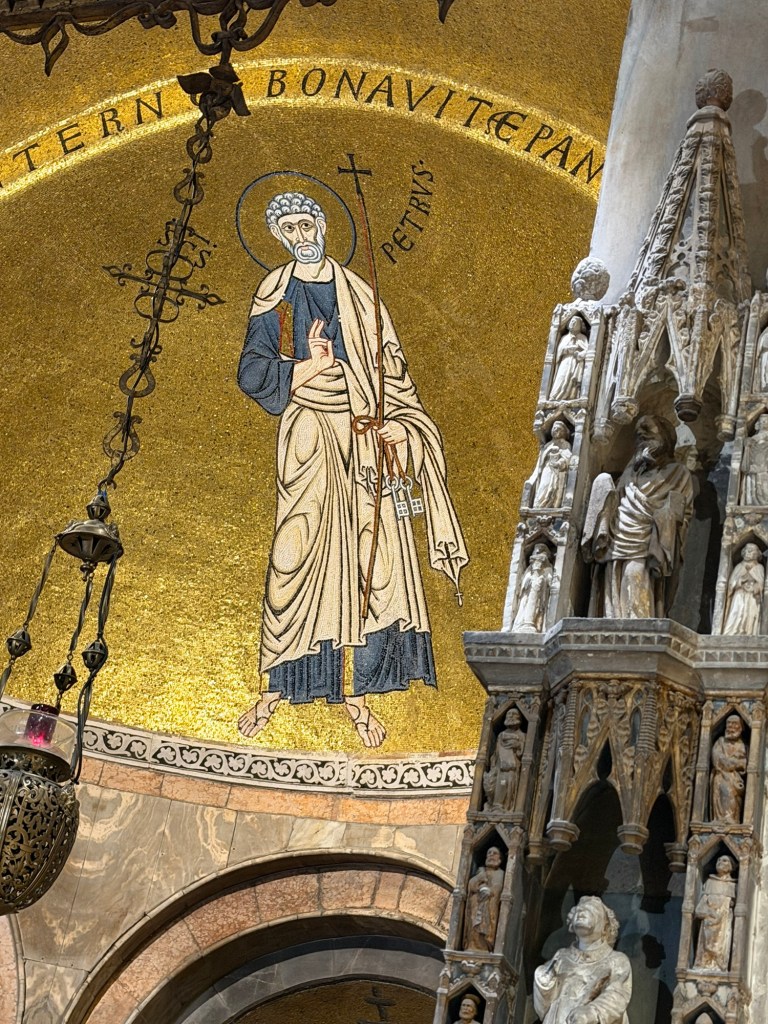
Ok so home I go. It’s been a long day.. my feet hurt.
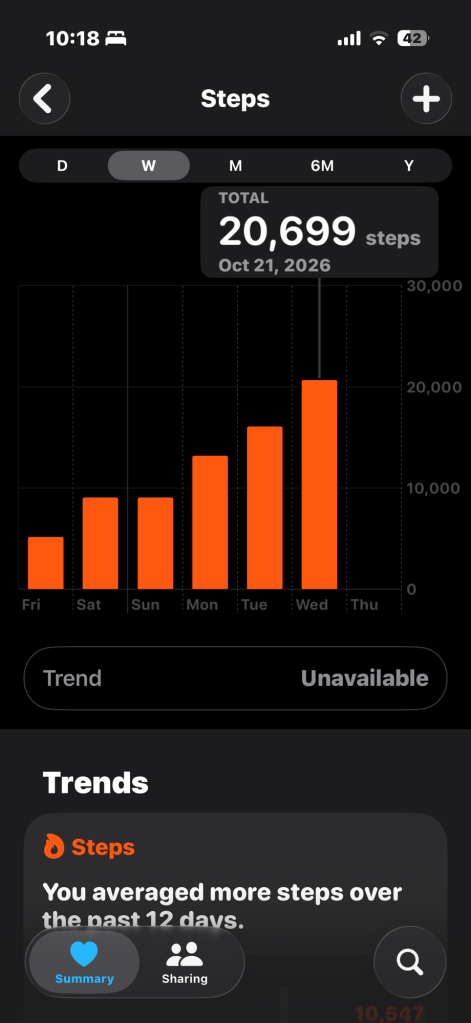
I went back to my Airbnb. Seemed like it took forever to get back. Thunder and lightning was starting. It was a wonderful rain storm. I stopped off one place but they were closing. Time to say Goodbye. See you in The Philippines in Feb unless something exciting comes up!!!
It was an amazing vacation and it did exactly what it was supposed to do, recharge, reboot me. Funny how the things you think will be the biggest impact are not and those little things are. Traveling is a lesson in patience.